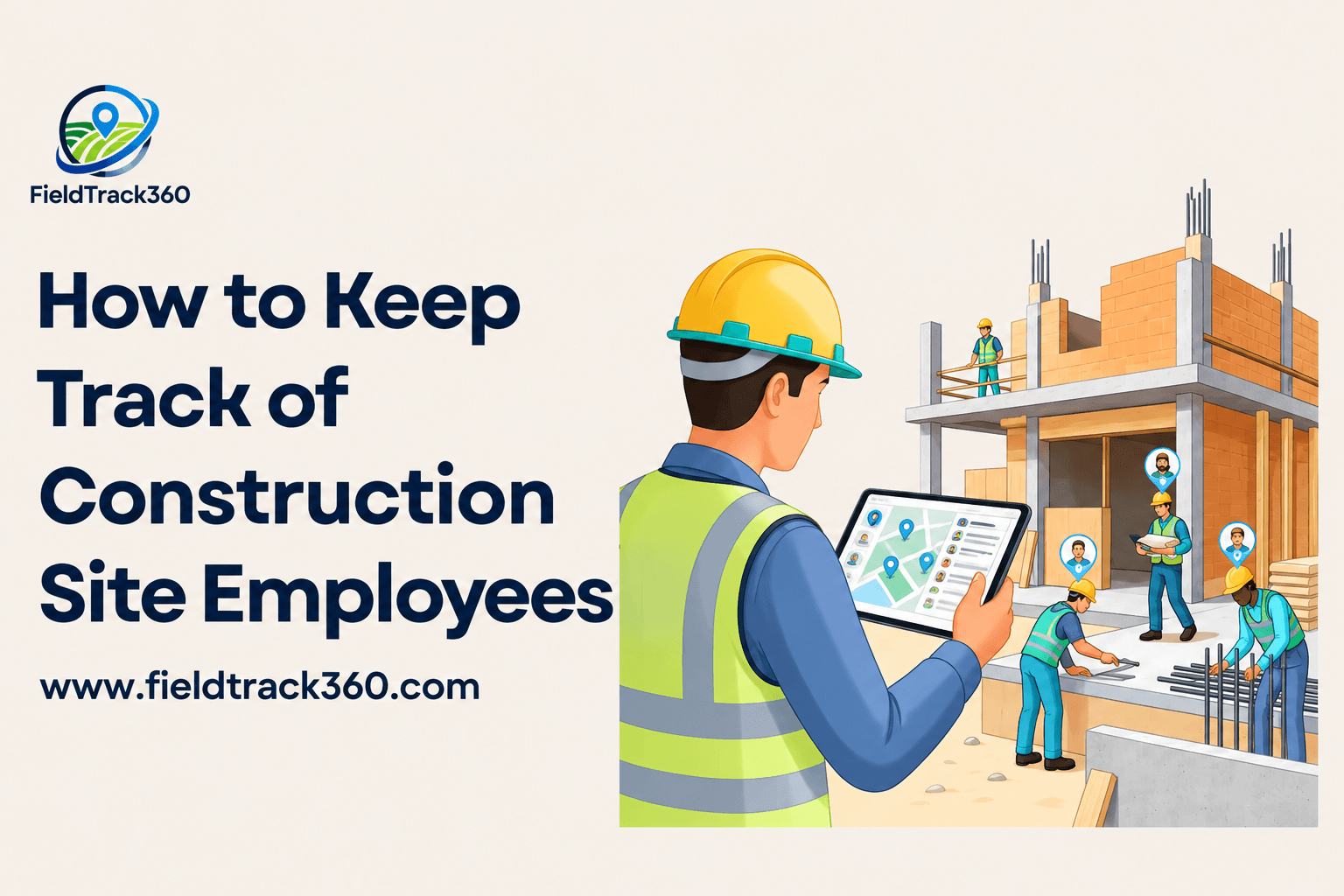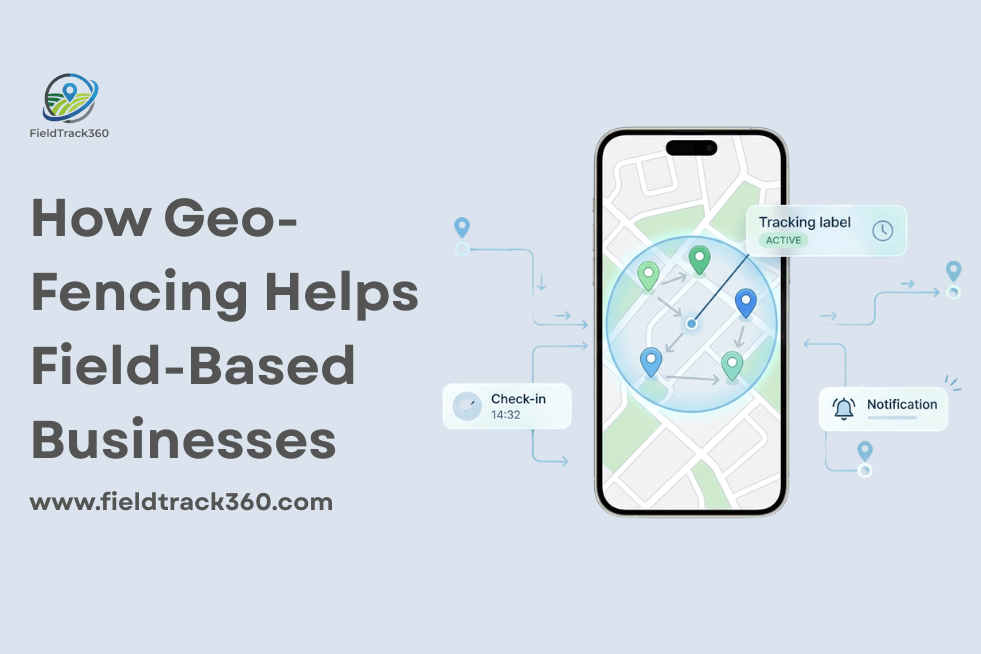
Managing field teams has never been more complex or more important. With employees constantly on the move, businesses face growing challenges in tracking performance, ensuring accountability, and maintaining productivity. In 2026, relying on outdated systems or manual processes is no longer an option.
This guide breaks down everything you need to know about managing field teams efficiently and how the right technology can transform your operations.
Why Field Team Management is More Challenging Today
Field businesses today operate in a fast-paced environment where real-time decisions matter. Whether it’s dispatching technicians, tracking deliveries, or managing on-site staff, delays and miscommunication can lead to lost revenue and unhappy customers.
The shift toward remote operations and increased customer expectations has made visibility and control more critical than ever.
Common Challenges in Managing Field Teams
Lack of Real-Time Visibility
Without live tracking, managers often rely on updates from employees, which can be delayed or inaccurate. This leads to poor decision-making and inefficiencies.
Inefficient Scheduling
Manual scheduling often results in overlapping tasks, missed appointments, or underutilized staff.
Communication Gaps
Field teams and office staff frequently struggle to stay aligned, especially when relying on calls or scattered messaging apps.
Manual Reporting
Paper-based or delayed reporting slows down operations and increases the chances of errors.
Key Features Every Business Needs in 2026
To overcome these challenges, businesses need smarter tools designed for modern field operations.
Live GPS Tracking
Know exactly where your team is at any given moment. This helps improve accountability and ensures better coordination.
Smart Task Assignment
Automatically assign tasks based on location, availability, and priority, reducing delays and improving efficiency.
Real-Time Reporting
Access instant updates on job status, employee performance, and task completion.
Mobile Accessibility
Empower your field team with mobile apps that allow them to update tasks, upload reports, and communicate on the go.
How Technology Improves Field Team Productivity
Technology doesn’t just simplify processes—it enhances performance. With digital tools:
- Managers make faster, data-driven decisions
- Employees spend less time on admin work
- Tasks are completed quicker and more accurately
- Customer satisfaction improves due to timely service
Automation eliminates repetitive tasks, allowing teams to focus on what truly matters—delivering quality work.
Best Practices for Managing Field Teams Efficiently
Even with the best tools, adopting the right practices is essential.
Set Clear Expectations: Define roles, responsibilities, and KPIs clearly
Use Data for Decisions: Regularly analyze reports to improve performance
Encourage Communication: Keep teams connected with centralized platforms
Train Your Workforce: Ensure employees are comfortable using digital tools
Monitor Performance Consistently: Identify gaps early and take action
How FieldTrack360 Simplifies Field Team Management
FieldTrack360 is built to address the real challenges of field workforce management. It combines tracking, task management, reporting, and communication into one powerful platform.
With FieldTrack360, businesses can:
- Gain complete visibility into field operations
- Assign and manage tasks efficiently
- Track performance in real time
- Reduce manual work and errors
It’s not just about managing teams—it’s about optimizing them.
Conclusion
Managing field teams efficiently in 2026 requires more than just coordination—it demands visibility, automation, and smart decision-making. Businesses that embrace digital solutions will not only improve productivity but also gain a competitive edge.
If you’re looking to streamline operations and take control of your field workforce, now is the time to adopt a smarter approach. Get in touch with our team today.