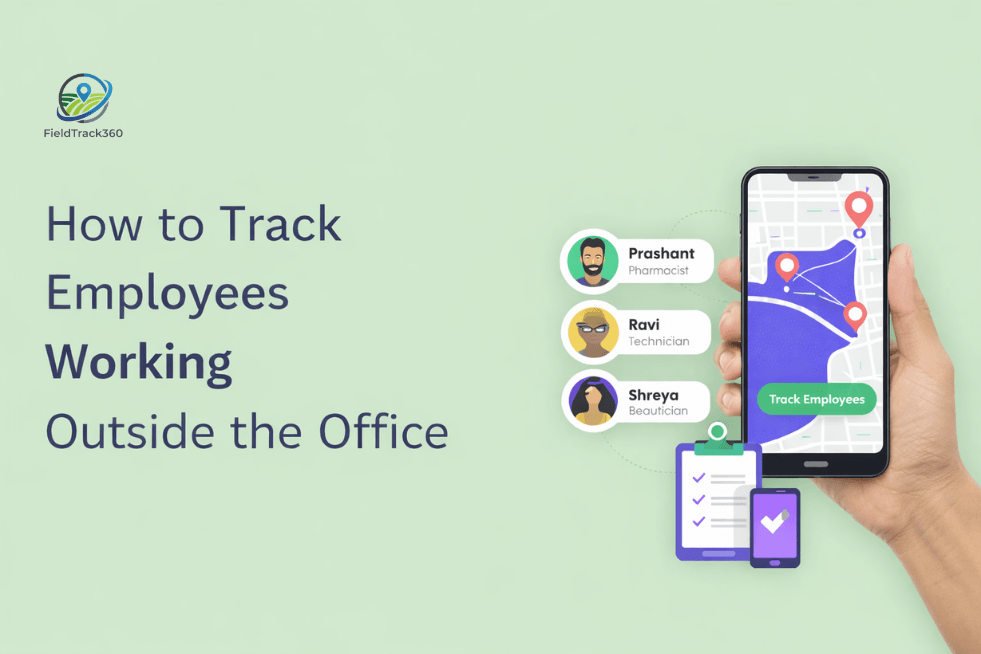
Field sales teams spend much of their working day travelling, visiting customers, and managing activities outside the office. Without a clear process, time can be lost on unnecessary travel, manual reporting, poorly planned visits, and other tasks that reduce productive selling time.
Improving field sales productivity is not only about asking sales reps to work harder. It is about helping them spend more time on customer interactions and giving managers better visibility into daily field activities.
In this guide, we will cover practical strategies to improve field sales team productivity, from setting clear targets and monitoring field activity to improving route planning, reducing manual work, and using the right technology.
10 Practical Strategies to Improve Field Sales Team Productivity
Improving field sales productivity starts with better planning, visibility, and efficient use of the sales team’s time.
1. Set Clear Daily Sales Targets
Field sales representatives need clear targets to understand what they should achieve during the day. These targets can include customer visits, follow ups, new prospects, sales activities, or revenue goals depending on the role.
Break larger sales targets into realistic daily or weekly goals. Consider each employee’s territory, customer base, travel time, and workload when setting targets.
Clear targets help sales reps focus their time and give managers a consistent way to measure daily progress.
2. Monitor Field Sales Activity in Real Time
Managers need visibility into what sales representatives are doing during the working day. Real time activity monitoring can show employee locations, customer visits, and progress on assigned activities.
Using a sales team tracking app can help managers monitor field activity without relying entirely on phone calls or end of day updates.
This allows managers to identify delays, provide timely support, and understand how sales reps are using their working hours.
3. Plan Customer Visits Efficiently
Poorly planned customer visits can create gaps in the sales schedule and reduce the number of customers a sales representative can meet in a day.
Plan visits based on customer location, priority, expected visit duration, and the sales representative’s existing workload. Grouping nearby customers can also make the daily schedule easier to manage.
Better visit planning gives sales reps more time for customer interactions and reduces time lost between appointments.
4. Reduce Unnecessary Travel Time
Travel can take up a significant part of a field sales representative’s working day. Unnecessary backtracking, long distances between customers, and inefficient routes can reduce productive selling time.
Plan routes based on customer locations and arrange visits in a practical sequence. Review route history regularly to identify repeated travel inefficiencies.
Reducing unnecessary travel gives sales representatives more time to meet customers and complete their planned activities.
5. Prioritise High Value Customer Visits
Not every customer visit requires the same amount of time or attention. Sales teams can improve productivity by prioritising customers based on factors such as sales potential, purchase frequency, pending opportunities, and follow up requirements.
Identify the customers that need regular visits and plan them around the most important sales opportunities. Lower priority visits can be scheduled around these activities where practical.
This helps sales representatives focus their available field time where it can have the most business value.
6. Give Sales Reps Better Visibility Into Their Daily Tasks
Sales representatives can lose time when they are unclear about which customers to visit, which follow ups to complete, or which activities should be prioritised.
Give each sales rep a clear view of their assigned visits, tasks, follow ups, and daily targets. Keep important updates in one place so employees do not have to rely on multiple messages or manual notes.
A clear daily task list helps sales reps organise their work and reduces time spent figuring out what to do next.
7. Track Sales Rep Performance With Relevant KPIs
Sales productivity is easier to improve when managers track the right performance indicators. Useful KPIs can include customer visits completed, new customer visits, follow ups, territory coverage, sales achieved, and visit completion rates.
Choose KPIs that match the sales team’s responsibilities instead of tracking too many metrics at once. Review them regularly to identify changes in performance and areas that need attention.
Relevant KPIs help managers understand field performance and make better decisions about sales activities and resource allocation.
8. Reduce Time Spent on Manual Reporting
Sales representatives often need to report customer visits, sales activities, expenses, and other field updates. Manual reporting can take time away from customer facing work and may result in delayed or incomplete information.
Use digital reporting tools that allow sales reps to record activities from the field. Managers can then review updates without waiting for spreadsheets, paper reports, or end of day messages.
Reducing manual reporting gives sales reps more time for selling activities while giving managers faster access to field data.
9. Improve Communication Between Managers and Sales Reps
Field sales teams need regular communication about customer requirements, schedule changes, new tasks, and other updates. Delayed communication can affect planned visits and create unnecessary follow up work.
Keep important task and activity updates accessible to both managers and sales representatives. Managers should also be able to quickly identify when a sales rep needs support or when a planned activity changes.
Better communication keeps field teams aligned and helps them respond faster when plans change.
10. Use a Sales Team Tracking App
As the sales team grows, managing locations, visits, routes, attendance, tasks, and reports manually can become difficult. A sales team tracking app can bring these activities into one system.
Choose a solution that supports the specific needs of your field sales team, such as location tracking, customer visit management, attendance, route history, task assignment, and reporting.
Using the right technology can reduce manual work, improve field visibility, and help managers coordinate sales activities more efficiently.
How FieldTrack360 Helps Improve Field Sales Team Productivity
FieldTrack360 helps businesses manage sales representatives, customer visits, routes, attendance, tasks, and field activity from one platform.
Managers can track sales rep locations in real time, assign visits and tasks, review route history, and monitor daily field activity. GPS based attendance and visit check ins also help businesses maintain clearer records of field work.
FieldTrack360 also provides reports that help managers review sales activities, identify gaps, and understand how field teams are using their time. This gives businesses better visibility while reducing the need for manual updates and reporting.
Ready to Improve Field Sales Productivity?
Track sales representatives, manage customer visits, monitor routes, and improve field team productivity with FieldTrack360.
Book a Free Demo