Effective territory coverage is essential for businesses that rely on field teams to engage customers, visit client locations, provide services, or manage sales activities. When territories are covered consistently, businesses can improve customer engagement, maintain service quality, and identify new growth opportunities.
However, ensuring complete territory coverage is not always easy. Challenges such as limited visibility into field activities, missed visits, inefficient route planning, and uneven workload distribution can lead to gaps in coverage and reduced operational efficiency.
In this article, we’ll explore the importance of territory coverage, the common challenges businesses face, and practical strategies to help field teams cover assigned territories more effectively.
What Is Territory Coverage in Field Operations?
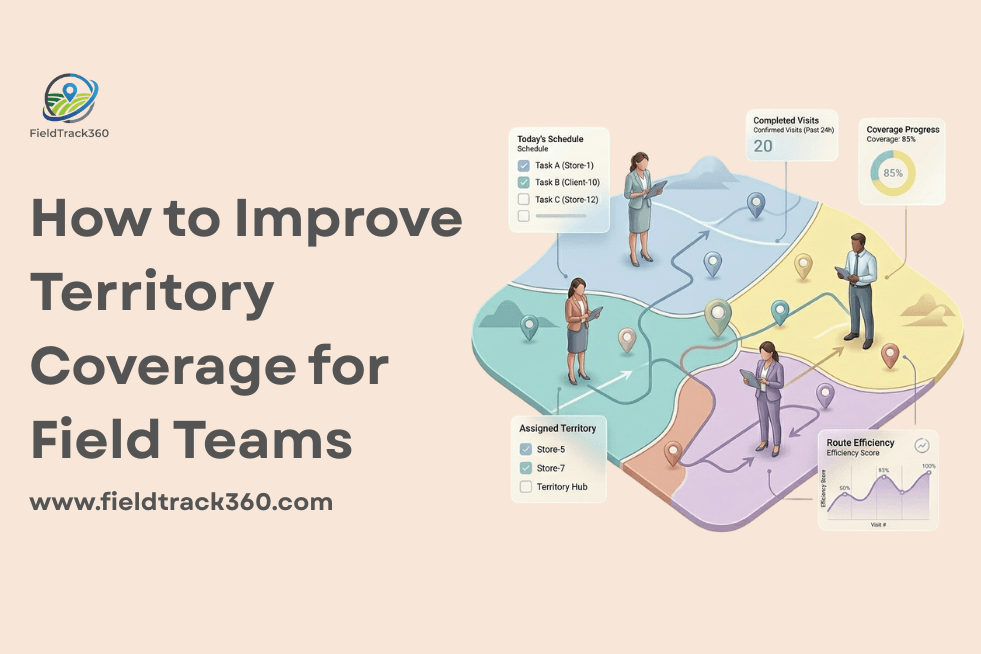
Territory coverage refers to how effectively field teams manage and visit assigned geographic areas, customer locations, service zones, or business accounts within a specific period. The goal is to ensure that all designated locations receive the required level of attention and support.
Depending on the industry, territory coverage may involve visiting customers, meeting healthcare professionals, inspecting sites, providing services, conducting sales activities, or managing distributor relationships. Effective coverage helps businesses maintain consistent engagement across their target areas and reduce the risk of missed opportunities.
When territories are not covered properly, businesses may experience gaps in customer interactions, delayed services, inconsistent field performance, and reduced visibility into field operations. This is why territory coverage is often considered a key performance factor for field-based businesses.
Why Territory Coverage Matters
Effective territory coverage plays a significant role in the success of field operations. When field teams consistently cover assigned areas, businesses can improve customer engagement, strengthen operational efficiency, and ensure resources are being utilized effectively.
1. Improves Customer Reach
Consistent territory coverage helps businesses stay connected with customers, prospects, and service locations across assigned regions. Regular engagement can strengthen relationships and improve overall customer experience.
2. Reduces Missed Opportunities
Gaps in territory coverage may result in missed customer visits, delayed services, or overlooked business opportunities. Ensuring all assigned areas receive appropriate attention helps businesses maximize their growth potential.
3. Supports Better Resource Utilization
When territories are managed effectively, businesses can distribute workloads more evenly and make better use of available resources. This helps field teams operate more efficiently and reduces unnecessary travel or duplication of effort.
4. Improves Operational Visibility
Effective territory coverage provides managers with a clearer understanding of field activities and area performance. Better visibility helps identify coverage gaps, monitor progress, and make informed operational decisions.
Common Challenges That Affect Territory Coverage
Even when businesses assign territories clearly, maintaining consistent coverage can be difficult. Various operational challenges can create coverage gaps, reduce field efficiency, and make it harder to ensure that all assigned locations receive the required attention.
1. Lack of Visibility Into Field Activities
Managers often have limited visibility into what field employees are doing throughout the day. Without accurate activity information, it can be difficult to identify whether territories are being covered as planned.
2. Uneven Distribution of Workloads
Some field employees may be responsible for larger or more demanding territories than others. Uneven workloads can lead to inconsistent coverage and make it harder to maintain balanced field operations.
3. Missed or Delayed Visits
Customer visits, service appointments, or scheduled meetings may occasionally be missed or delayed due to poor planning, scheduling conflicts, or unexpected field conditions. Over time, these issues can create significant coverage gaps.
4. Poor Route Planning
Inefficient travel routes can reduce the number of locations field employees can visit in a day. Excess travel time often impacts productivity and limits effective territory coverage.
5. Limited Performance Monitoring
Without reliable performance data, businesses may struggle to evaluate how effectively territories are being managed. This can make it difficult to identify areas that require additional attention or support.
6. Inaccurate Field Reporting
When field reports are delayed, incomplete, or inconsistent, managers may not have a clear picture of territory coverage. Inaccurate reporting can make it harder to track progress and make informed decisions.
How to Improve Territory Coverage for Field Teams
Improving territory coverage requires a combination of clear planning, consistent monitoring, and better visibility into field operations. By following a structured approach, businesses can reduce coverage gaps and ensure field teams focus on the right locations at the right time.
1. Define Territories Clearly
Clearly assigned territories help field employees understand their responsibilities and reduce confusion. Well-defined coverage areas also make it easier to monitor performance and identify gaps in field activities.
2. Establish Regular Visit Schedules
Creating planned visit schedules helps ensure customers, service locations, and business accounts receive consistent attention. Regular scheduling can reduce missed visits and improve overall coverage.
3. Monitor Field Activities Consistently
Regular monitoring helps managers understand whether planned visits and field activities are being completed as expected. This visibility makes it easier to identify coverage issues before they become larger problems.
4. Improve Route Planning
Efficient route planning helps field teams spend less time traveling and more time engaging with customers or completing assigned tasks. Optimized routes can significantly improve daily coverage and productivity.
5. Use Real-Time Visibility Tools
Access to real-time field information allows managers to track progress, identify missed activities, and respond quickly when coverage issues arise. Better visibility supports more effective territory management.
6. Analyze Coverage Data Regularly
Reviewing coverage data helps businesses identify under-served areas, monitor field performance, and make informed decisions about territory assignments. Regular analysis can reveal opportunities for improvement that may otherwise go unnoticed.
7. Optimize Resource Allocation
As territories evolve, businesses should regularly evaluate whether resources are distributed appropriately. Adjusting territory assignments and workloads can help maintain balanced coverage and improve operational efficiency.
Benefits of Better Territory Coverage
Improving territory coverage can have a direct impact on the efficiency and performance of field operations. When field teams consistently cover assigned areas, businesses are better positioned to serve customers, manage resources, and achieve operational goals.
1. Improved Customer Engagement
Regular visits and consistent coverage help businesses maintain stronger relationships with customers and ensure their needs are addressed in a timely manner.
2. Increased Field Productivity
Well-planned territories and efficient coverage strategies allow field employees to spend more time on productive activities and less time dealing with scheduling or travel-related inefficiencies.
3. Better Accountability
Improved visibility into territory activities helps businesses monitor progress, track completed visits, and ensure field teams are meeting their responsibilities.
4. Stronger Operational Planning
Accurate coverage information provides valuable insights that support workforce planning, territory management, and resource allocation decisions.
5. Improved Business Performance
Consistent territory coverage helps reduce missed opportunities, improve service quality, and support long-term business growth by ensuring all assigned areas receive adequate attention.
How FieldTrack360 Helps Improve Territory Coverage
Maintaining consistent territory coverage becomes easier when businesses have better visibility into field activities, visit completion, employee locations, and overall field performance. Without accurate field data, identifying coverage gaps and monitoring territory progress can be challenging.
FieldTrack360 helps businesses improve territory coverage through GPS tracking, geo-fencing, real-time activity monitoring, and location-based insights. These capabilities allow managers to understand which areas are being covered, monitor field activities more effectively, and identify locations that may require additional attention.
By providing greater visibility into field operations, businesses can improve route planning, reduce missed visits, optimize territory assignments, and make more informed operational decisions.
Many organizations use field employee tracking software to gain better control over field operations and improve territory management. FieldTrack360 provides the tools businesses need to monitor field activities, strengthen accountability, and ensure territories are covered more effectively.
Final Thoughts
Effective territory coverage is essential for maximizing field team performance, improving customer engagement, and ensuring business opportunities are not overlooked. However, challenges such as limited visibility, missed visits, poor route planning, and inconsistent reporting can make it difficult to maintain consistent coverage across assigned areas.
By clearly defining territories, monitoring field activities, optimizing routes, and regularly reviewing coverage data, businesses can reduce coverage gaps and improve operational efficiency.
If you’re looking for a better way to monitor field activities, improve territory management, and gain greater visibility into field operations, contact our team to learn how we can help support your business.
Frequently Asked Questions
1. What is territory coverage in field operations?
Territory coverage refers to how effectively field teams visit and manage assigned geographic areas, customer locations, service zones, or business accounts. Proper territory coverage helps businesses maintain consistent customer engagement and improve operational efficiency.
2. How can businesses improve territory coverage?
Businesses can improve territory coverage by clearly defining territories, establishing regular visit schedules, optimizing travel routes, monitoring field activities, and analyzing coverage data to identify gaps and improvement opportunities.
3. How can managers monitor territory coverage effectively?
Managers can monitor territory coverage by tracking field activities, reviewing visit records, analyzing coverage reports, and maintaining visibility into employee movements and completed tasks.
4. How can FieldTrack360 help improve territory coverage?
FieldTrack360 helps businesses improve territory coverage through GPS tracking, geo-fencing, real-time activity monitoring, location-based insights, and reporting tools that provide better visibility into field operations.