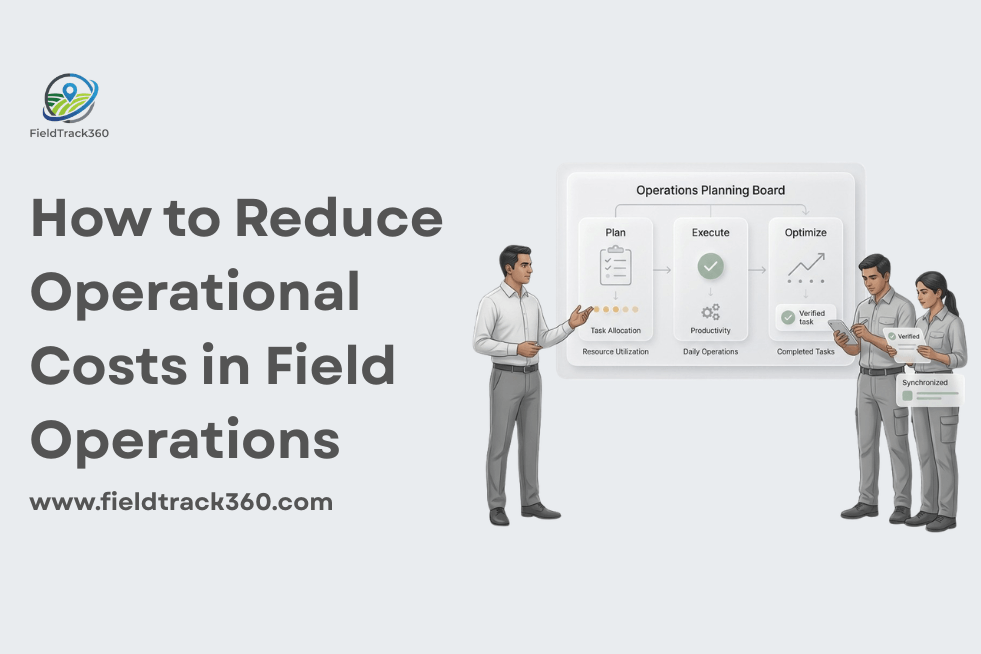
Managing field operations comes with a wide range of expenses, from travel and labor costs to scheduling inefficiencies and manual administrative work. While some operational costs are unavoidable, many are the result of inefficient processes that reduce productivity and impact profitability.
The good news is that reducing operational costs doesn’t have to mean compromising service quality or workforce performance. By identifying the right cost drivers and implementing practical improvements, businesses can streamline field operations, improve resource utilization, and achieve long-term cost savings.
In this article, we’ll explore the common factors that increase operational costs in field operations and share practical strategies to help businesses operate more efficiently.
Common Cost Drivers in Field Operations
Operational costs in field operations don’t increase overnight. They often build up gradually through inefficient processes, poor planning, and a lack of operational visibility. Identifying these cost drivers is the first step toward improving efficiency and reducing unnecessary expenses.
Inefficient Route Planning
Poorly planned routes result in longer travel times, higher fuel consumption, and fewer customer visits per day. Without optimized routes, field employees spend more time on the road than completing productive work.
Manual Administrative Processes
Managing attendance, task updates, reports, and approvals manually increases administrative workload and consumes valuable time. It also raises the risk of human errors, delayed reporting, and inaccurate records.
Poor Scheduling and Resource Allocation
Assigning too many or too few tasks to field employees can lead to idle time, overtime costs, missed appointments, and uneven workload distribution, all of which reduce operational efficiency.
Repeat Visits and Incomplete Tasks
When field employees lack complete job information, the right tools, or clear instructions, tasks often require follow-up visits. These repeat trips increase travel expenses, labor costs, and customer wait times.
Limited Visibility into Field Activities
Without real-time insights into employee locations, task progress, and daily field activities, managers struggle to identify operational inefficiencies or respond quickly to unexpected issues. This often results in delayed decision-making and higher operational costs.
Also read: How to Verify Field Employee Visits Accurately
Practical Ways to Reduce Operational Costs in Field Operations
Optimize Travel and Route Planning
Travel-related expenses are among the largest operational costs for businesses with field teams. Unplanned routes, unnecessary travel, and inefficient scheduling not only increase fuel and vehicle expenses but also reduce the number of customer visits employees can complete in a day.
Optimizing travel routes helps field employees spend less time on the road and more time serving customers. Assigning jobs based on employee location, grouping nearby appointments, and planning efficient travel routes can significantly reduce travel time while improving daily productivity. Over time, these improvements lead to lower operational costs and better resource utilization.
Also read: GPS Tracking for Field Employees: A Complete Guide
Automate Routine Field Processes
Manual processes such as attendance tracking, task assignment, report submission, and approval workflows consume valuable administrative time and often lead to delays or errors. As field operations grow, these repetitive tasks become increasingly difficult to manage efficiently.
Automating routine field processes reduces administrative overhead, improves data accuracy, and enables managers to focus on operational improvements rather than manual coordination. Digital workflows also provide faster access to field data, helping businesses respond more quickly and make better-informed decisions.
Improve Workforce Productivity
A productive field workforce can complete more tasks, serve more customers, and make better use of available working hours without increasing operational costs. However, productivity is often affected by inefficient scheduling, unclear task priorities, communication delays, and unnecessary administrative work.
Businesses can improve workforce productivity by setting clear daily objectives, balancing workloads, providing employees with the information they need before each assignment, and eliminating time-consuming manual processes. Even small improvements in daily productivity can lead to significant cost savings over time while improving overall operational efficiency.
Minimize Repeat Visits
Every repeat visit increases travel expenses, labor costs, and the time required to complete a job. In many cases, repeat visits occur because of incomplete job information, poor communication, missing equipment, or unresolved customer issues during the initial visit.
Reducing repeat visits starts with better planning and execution. Providing field employees with complete task details, ensuring they have the necessary tools and resources, and verifying work before closing a task can help resolve issues during the first visit. This not only lowers operational costs but also improves customer satisfaction and allows field teams to handle more assignments each day.
Use Data to Make Better Decisions
Reducing operational costs isn’t just about making changes, it’s about knowing which changes deliver measurable results. Without accurate data, businesses may struggle to identify inefficiencies, measure the impact of process improvements, or allocate resources effectively.
By regularly reviewing operational reports and performance metrics, managers can identify trends, monitor workforce productivity, evaluate resource utilization, and uncover opportunities to improve efficiency. Access to real-time operational insights also enables faster decision-making, helping businesses respond quickly to challenges before they lead to unnecessary costs.
A data-driven approach allows businesses to continuously refine their field operations, ensuring that cost-saving initiatives contribute to long-term operational efficiency rather than short-term reductions.
Long-Term Strategies for Sustainable Cost Savings
Reducing operational costs is not a one-time initiative but an ongoing process of evaluating, improving, and optimizing field operations. As businesses grow, maintaining cost efficiency requires consistent monitoring and a commitment to continuous improvement.
Regularly reviewing operational performance helps businesses identify changing trends, address inefficiencies early, and make informed decisions based on real-world data rather than assumptions. Standardizing field processes, investing in employee training, and adopting technology that improves visibility can also help maintain operational efficiency as teams expand.
By combining well-defined processes with data-driven decision-making, businesses can build a scalable field operation that controls costs without compromising productivity, service quality, or customer satisfaction.
How FieldTrack360 Helps Reduce Operational Costs
Reducing operational costs requires more than isolated process improvements, it depends on having accurate, real-time visibility into field operations. When managers can monitor field activities, track workforce performance, and access operational data from a single platform, they can identify inefficiencies faster and take corrective action before costs escalate.
FieldTrack360 helps businesses streamline field operations by digitizing attendance, task management, visit tracking, GPS monitoring, and reporting. By eliminating manual processes and providing actionable insights, businesses can optimize resource utilization, reduce unnecessary travel, improve workforce productivity, and make more informed operational decisions.
Whether you’re managing a small field team or a large mobile workforce, field employee tracking software like FieldTrack360 can help reduce operational costs while improving efficiency, accountability, and overall business performance.
Final Thoughts
Reducing operational costs in field operations is about improving efficiency, eliminating unnecessary processes, and making better use of available resources. It is not simply about cutting expenses. By identifying the factors that increase costs and implementing practical improvements, businesses can enhance productivity, improve service quality, and achieve sustainable long-term savings.
If you’re looking to streamline your field operations and gain better visibility into your mobile workforce, FieldTrack360 can help. Contact our team and schedule a free demo to learn how our field employee tracking software can help reduce operational costs, improve workforce efficiency, and support smarter business decisions.