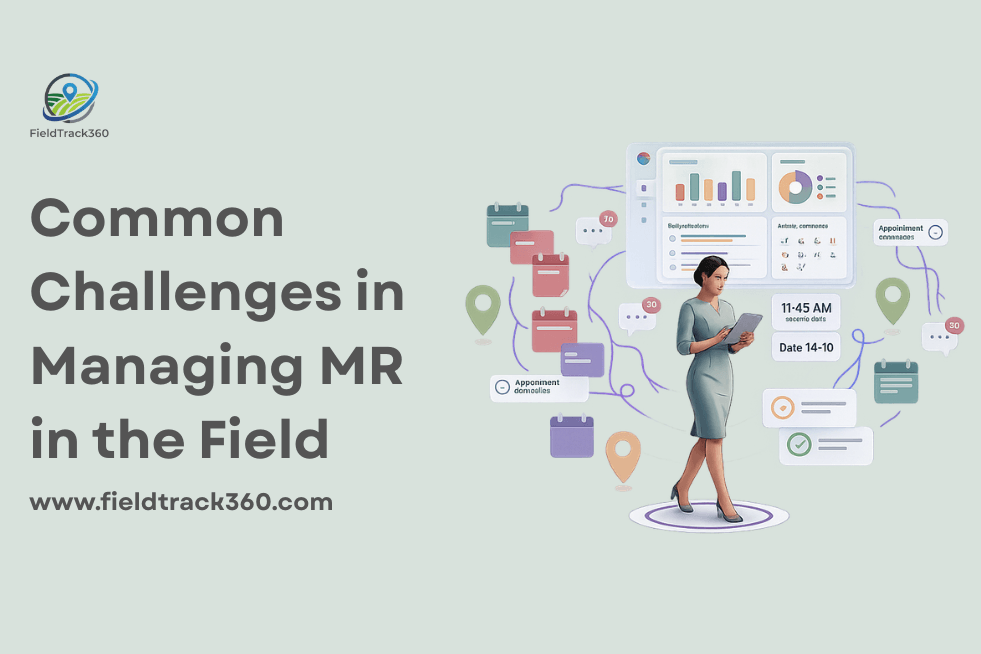
Medical representatives play a vital role in helping pharmaceutical companies build relationships with healthcare professionals and expand market coverage. However, managing field-based teams comes with unique challenges, as representatives spend most of their time working outside the office across different locations.
Without proper visibility into field activities, pharmaceutical companies may face difficulties in tracking doctor visits, managing territories, maintaining reporting consistency, and monitoring field performance.
In this article, we’ll explore some of the most common challenges in managing medical representatives and practical ways pharmaceutical companies can address them.
Why Effective Medical Representative Management Matters
Medical representatives are often the primary point of contact between pharmaceutical companies and healthcare professionals. Their daily activities, doctor interactions, and territory coverage can directly influence business growth and market presence.
When field operations are managed effectively, pharmaceutical companies can ensure better doctor coverage, maintain reporting consistency, and gain clearer visibility into field activities. This helps managers make informed decisions and identify opportunities to improve field performance.
On the other hand, poor management of medical representatives can lead to missed doctor visits, inconsistent reporting, gaps in territory coverage, and reduced operational efficiency. As field teams grow, addressing these challenges becomes increasingly important for maintaining productivity and achieving business objectives.
Common Challenges in Managing Medical Representatives in the Field
Managing medical representatives becomes increasingly challenging as field operations expand across multiple territories and healthcare locations. Without proper visibility and structured processes, pharmaceutical companies may struggle to maintain operational efficiency and monitor field activities effectively.
1. Limited Visibility Into Daily Field Activities
Since medical representatives spend most of their time in the field, managers often have limited visibility into their daily schedules, doctor visits, and completed activities. This lack of real-time information can make it difficult to monitor field operations and ensure planned activities are being carried out effectively.
2. Difficulty Verifying Doctor Visits
Doctor visits are a key responsibility of medical representatives. However, verifying whether visits were completed as planned can be challenging when businesses rely solely on manual reporting. Without proper verification methods, maintaining accurate visit records becomes more difficult.
3. Delayed Reporting and Activity Updates
Many pharmaceutical companies still depend on end-of-day or manual reporting processes. Delays in activity updates can reduce visibility into field operations and make it harder for managers to respond quickly to operational requirements.
4. Managing Large Territories
Medical representatives are often assigned multiple doctors, clinics, hospitals, and healthcare facilities across wide geographic areas. Ensuring adequate territory coverage while maintaining productivity can become increasingly difficult as territories expand.
5. Attendance and Availability Tracking Challenges
Tracking attendance for field-based employees is often more complex than for office-based teams. Without accurate attendance records and visibility into workforce availability, managers may find it difficult to coordinate field operations effectively.
6. Inconsistent Coverage of Assigned Areas
When field activities are not monitored consistently, some territories or healthcare providers may receive less attention than planned. This can affect doctor engagement and create gaps in market coverage.
7. Measuring Field Productivity Accurately
Evaluating field performance can be challenging without reliable activity data. Businesses may struggle to assess productivity accurately when they have limited visibility into doctor visits, territory coverage, and daily field activities.
8. Communication Gaps Between Field Teams and Managers
Effective communication is essential for successful field operations. Delayed updates or inconsistent communication can make it harder for managers to provide guidance, address issues, and maintain alignment across field teams.
How Pharmaceutical Companies Can Overcome These Challenges
While managing medical representatives in the field comes with unique challenges, pharmaceutical companies can improve operational efficiency by implementing structured processes and improving visibility into field activities.
1. Improve Visibility Into Field Operations
Having access to timely information about field activities helps managers understand what is happening on the ground. Better visibility enables faster decision-making and improves overall operational control.
2. Verify Doctor Visits More Effectively
Establishing reliable methods to verify doctor visits helps maintain accurate activity records and ensures planned visits are completed as expected. This also improves accountability across field teams.
3. Standardize Reporting Processes
Consistent reporting practices make it easier to track field activities and review performance across teams. Standardized reporting also helps reduce delays and improve data accuracy.
4. Monitor Territory Coverage Regularly
Regularly reviewing territory coverage helps pharmaceutical companies identify gaps and ensure healthcare professionals receive appropriate attention. This supports more balanced and effective field operations.
5. Maintain Accurate Attendance Records
Reliable attendance tracking helps managers understand workforce availability and coordinate field activities more efficiently. Accurate attendance records also support workforce planning and reporting.
6. Encourage Real-Time Activity Updates
Providing timely updates from the field helps improve communication between managers and medical representatives. Real-time information allows businesses to respond more quickly to changing operational requirements.
7. Use Data to Improve Decision-Making
Analyzing field activity data can help pharmaceutical companies identify trends, measure performance, and optimize field operations. Data-driven decisions often lead to better resource allocation and improved productivity.
Benefits of Better Medical Representative Management
Effectively managing medical representatives helps pharmaceutical companies improve field operations, strengthen accountability, and make better business decisions. When managers have greater visibility into field activities, they can coordinate teams more efficiently and ensure resources are being utilized effectively.
1. Improved Doctor Coverage
Better management helps ensure healthcare professionals receive consistent attention across assigned territories. This reduces coverage gaps and supports stronger relationships with doctors and healthcare providers.
2. Greater Visibility Into Field Activities
Having access to accurate field activity information allows managers to understand what is happening on the ground and make informed operational decisions.
3. Better Reporting Accuracy
Structured processes and timely updates help improve the quality and reliability of field reports, making it easier to evaluate performance and monitor field operations.
4. Increased Field Productivity
When field activities are planned, monitored, and managed effectively, medical representatives can spend more time focusing on meaningful interactions and less time dealing with administrative challenges.
5. Stronger Operational Control
Improved visibility into attendance, doctor visits, territory coverage, and field activities helps pharmaceutical companies maintain better control over day-to-day operations and support long-term business growth.
How FieldTrack360 Helps Pharmaceutical Companies Manage Medical Representatives
Managing medical representatives effectively requires better visibility into field activities, doctor visits, attendance, and territory coverage. As pharmaceutical field teams grow, relying solely on manual reporting and periodic updates can make it difficult to maintain operational control.
FieldTrack360 helps pharmaceutical companies streamline field operations through GPS-based tracking, geo-fencing, location-based attendance, and real-time activity monitoring. These capabilities provide managers with better visibility into field activities and help maintain more accurate operational records.
With access to timely field data, pharmaceutical companies can verify doctor visits more effectively, monitor territory coverage, improve reporting consistency, and strengthen accountability across field teams.
Today, many pharmaceutical companies rely on pharmaceutical employee tracking software to gain better visibility into medical representative activities and improve overall field force management. FieldTrack360 helps businesses achieve these goals by providing a centralized platform for managing and monitoring field operations more efficiently.
Final Thoughts
Managing medical representatives in the field comes with several operational challenges, from tracking doctor visits and monitoring territory coverage to maintaining reporting consistency and workforce visibility.
As pharmaceutical field teams grow, addressing these challenges becomes increasingly important for maintaining productivity and ensuring efficient field operations. Businesses that establish structured processes and improve visibility into field activities are often better positioned to make informed decisions and manage their field teams effectively.
By focusing on accountability, reporting accuracy, and operational visibility, pharmaceutical companies can improve field performance and build a more efficient medical representative management process.
If you’re looking for a better way to manage medical representatives, track field activities, and improve operational visibility, feel free to contact our team to learn how we can support your pharmaceutical field operations.