Managing field employees becomes more challenging as businesses expand across multiple locations and territories. Without real-time visibility into field activities, managers may struggle to monitor employee movements, verify customer visits, optimize routes, and ensure work is completed as planned.
This is where GPS tracking for field employees plays a crucial role. It helps businesses gain better visibility into field operations, improve accountability, and make informed decisions using accurate location data. From sales representatives and service technicians to delivery personnel and healthcare field staff, GPS tracking has become an essential tool for managing mobile workforces efficiently.
In this article, we’ll explain how GPS tracking for field employees works, explore its key benefits and challenges, and share best practices for implementing it successfully.
What Is GPS Tracking for Field Employees?
GPS tracking for field employees is the process of using the Global Positioning System (GPS) to monitor the location and movement of employees while they perform work-related activities outside the office. It enables businesses to gain real-time visibility into field operations and better manage mobile workforces.
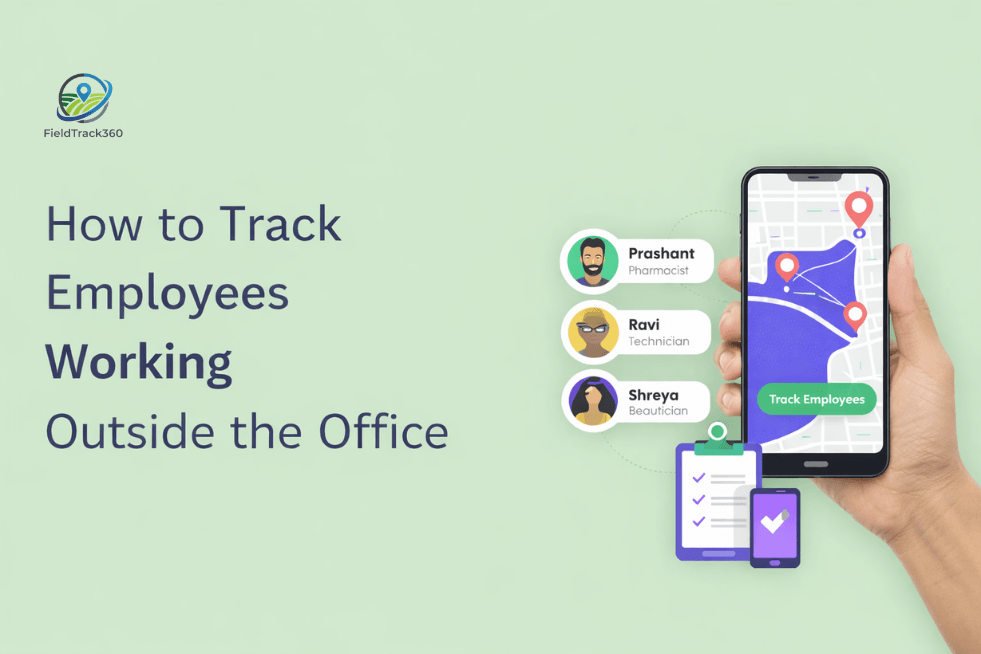
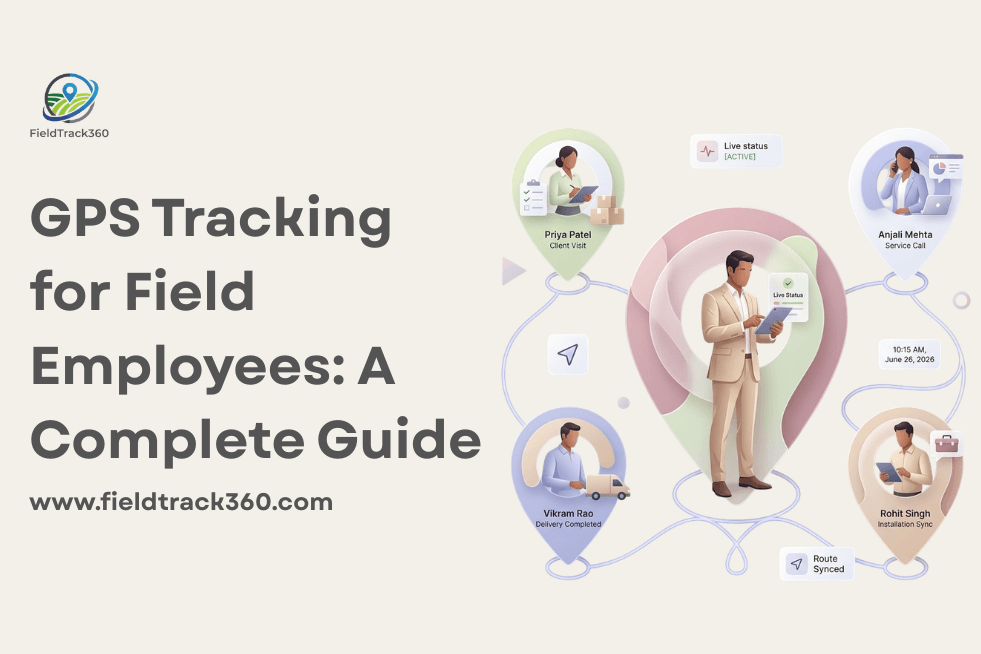
Depending on business requirements, GPS tracking can be used to monitor live employee locations, verify customer or site visits, review travel history, optimize routes, and improve coordination between field teams and managers. This information helps businesses make informed decisions while ensuring field activities are carried out as planned.
Today, GPS tracking is widely used across industries such as pharmaceutical, FMCG, telecom, facility management, real estate, pest control, and field services, where employees spend most of their working hours in the field. When implemented with clear policies and transparency, GPS tracking can improve operational efficiency while helping businesses maintain better accountability across their field teams.
How Does GPS Tracking for Field Employees Work?
GPS tracking works by combining a smartphone or GPS-enabled device with location technology to capture and share an employee’s work-related location data. When a field employee starts their workday, the tracking system records location information at defined intervals and securely sends it to a centralized dashboard that managers can access.
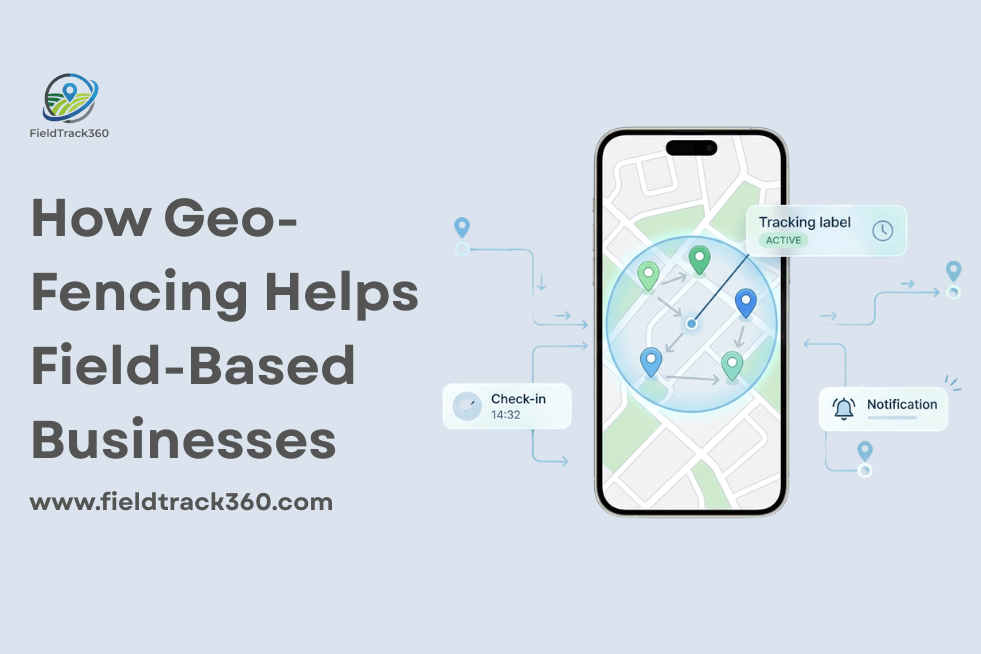
Depending on the solution being used, businesses can view live employee locations, monitor travel routes, verify customer or site visits, and review activity history from a single platform. Many systems also integrate GPS tracking with features such as attendance, geo-fencing, task management, and reporting to provide a more complete view of field operations.
Instead of relying on manual updates or phone calls, managers can use this information to monitor field progress, identify operational bottlenecks, and make quicker decisions when changes are required. This helps improve coordination between office teams and field employees while keeping day-to-day operations organized and transparent.
Why Businesses Use GPS Tracking for Field Employees
Businesses that rely on field employees often face challenges in maintaining visibility and coordination once their teams leave the office. As field operations expand, manually tracking employee activities, customer visits, and travel schedules becomes increasingly difficult. GPS tracking helps bridge this gap by providing managers with timely and reliable insights into day-to-day field operations.
1. To Improve Visibility Into Field Operations
Knowing where field employees are during working hours helps managers understand how field activities are progressing. This visibility makes it easier to coordinate teams, respond to schedule changes, and ensure assigned tasks are completed on time.
2. To Verify Customer and Site Visits
Many businesses need to confirm that scheduled customer visits, service appointments, or site inspections have been completed. GPS tracking provides location-based records that help verify field visits and maintain accurate activity logs.
3. To Optimize Travel and Territory Coverage
GPS location data helps businesses identify inefficient travel patterns and improve route planning. Better route optimization enables field employees to cover more locations while reducing unnecessary travel time.
4. To Strengthen Workforce Accountability
Location-based insights provide greater transparency into field operations, making it easier to review completed activities and ensure teams are following assigned schedules and responsibilities.
5. To Support Better Decision-Making
Access to accurate field data allows managers to identify operational trends, address coverage gaps, allocate resources more effectively, and make informed decisions that improve overall field performance.
Benefits of GPS Tracking for Field Employees
Implementing GPS tracking can help businesses streamline field operations, improve workforce management, and make better use of available resources. When used responsibly and alongside well-defined business processes, GPS tracking delivers measurable operational benefits.
1. Improved Operational Visibility
GPS tracking provides managers with a clearer picture of daily field activities, making it easier to monitor progress, identify delays, and respond quickly to changing situations.
2. Higher Field Productivity
With better visibility into employee movements and work schedules, businesses can reduce idle time, improve task planning, and help field employees complete more productive work during the day.
3. More Efficient Route Planning
Analyzing travel patterns allows businesses to identify inefficient routes and make improvements that reduce travel time, lower fuel consumption, and increase the number of customer visits or service appointments completed.
4. Better Customer Service
When businesses have accurate information about employee locations and job progress, they can provide more reliable service updates, respond to customer requests faster, and improve the overall customer experience.
5. Improved Attendance and Visit Verification
GPS location data can support more accurate attendance records and help verify that customer visits or site inspections have been completed as scheduled, reducing reliance on manual reporting.
6. Stronger Employee Safety
For employees working across remote or unfamiliar locations, GPS tracking provides an added layer of visibility that helps managers know where team members are during working hours and respond more effectively when assistance is needed.
7. Better Business Insights
GPS-generated reports and activity data help businesses evaluate field performance, identify operational trends, and make data-driven decisions to improve workforce efficiency over time.
Best Practices for Implementing GPS Tracking for Field Employees
Successfully implementing GPS tracking is not just about choosing the right technology. It also requires clear policies, effective communication, and a structured approach to ensure both business objectives and employee expectations are met.
1. Define a Clear GPS Tracking Policy
Before implementing GPS tracking, establish a policy that explains when employees will be tracked, what information will be collected, and how the data will be used. Clear guidelines help eliminate confusion and build trust.
2. Limit Tracking to Working Hours
Respect employee privacy by enabling GPS tracking only during scheduled working hours or while work-related activities are being performed. This helps maintain transparency and encourages greater acceptance of the system.
3. Combine GPS Tracking With Other Field Data
GPS location data becomes more valuable when combined with attendance records, task updates, customer visit information, and activity reports. Looking at multiple data points provides a more complete picture of field operations.
4. Use GPS Data to Improve Operations, Not Micromanage Employees
GPS tracking should support better planning and decision-making rather than constant employee surveillance. Using location data to optimize routes, improve territory coverage, and allocate resources more effectively creates a positive experience for both managers and field teams.
How FieldTrack360 Helps Businesses Track Field Employees
Managing a mobile workforce requires more than just knowing where employees are. Businesses also need accurate attendance records, verified customer visits, actionable reports, and complete visibility into day-to-day field operations.
FieldTrack360 brings these capabilities together in a single platform, helping businesses monitor field activities, improve route efficiency, verify site visits, and make better operational decisions using real-time insights. With features such as GPS tracking, geo-fencing, attendance management, task monitoring, and reporting, managers can stay connected with their field teams while improving accountability and productivity.
Businesses looking for a comprehensive field employee tracking software can use FieldTrack360 to simplify workforce management, gain greater visibility into field operations, and improve overall field team performance.
Final Thoughts
GPS tracking has become an essential tool for businesses that manage field employees across multiple locations and territories. When implemented with clear policies and the right processes, it helps improve operational visibility, streamline field activities, optimize travel routes, and support better decision-making.
However, the success of GPS tracking depends on more than just technology. Businesses should focus on transparency, employee adoption, and using location data to improve operations rather than simply monitor employee movements.
If you’re looking for a reliable way to track field employees, improve operational efficiency, and gain complete visibility into your field workforce, contact our team to discover how our solution can help your business.