Field teams are essential for businesses that operate beyond a fixed office environment. Whether it is sales visits, deliveries, or on-site services, a significant part of daily operations happens on the ground. However, as these activities increase, keeping track of them in a structured way becomes more challenging.
Many businesses reach a point where basic methods like calls or manual updates are no longer enough to manage field operations efficiently. There is a growing need for a system that can provide better clarity on employee activities, task progress, and overall performance.
Field employee tracking software is designed to address this need. It helps businesses organize, monitor, and manage their field workforce through a centralized platform, making day-to-day operations more structured and easier to oversee.
In this guide, you will learn what field employee tracking software is, how it works, and why it has become an important part of managing modern field teams.
What is Field Employee Tracking Software?
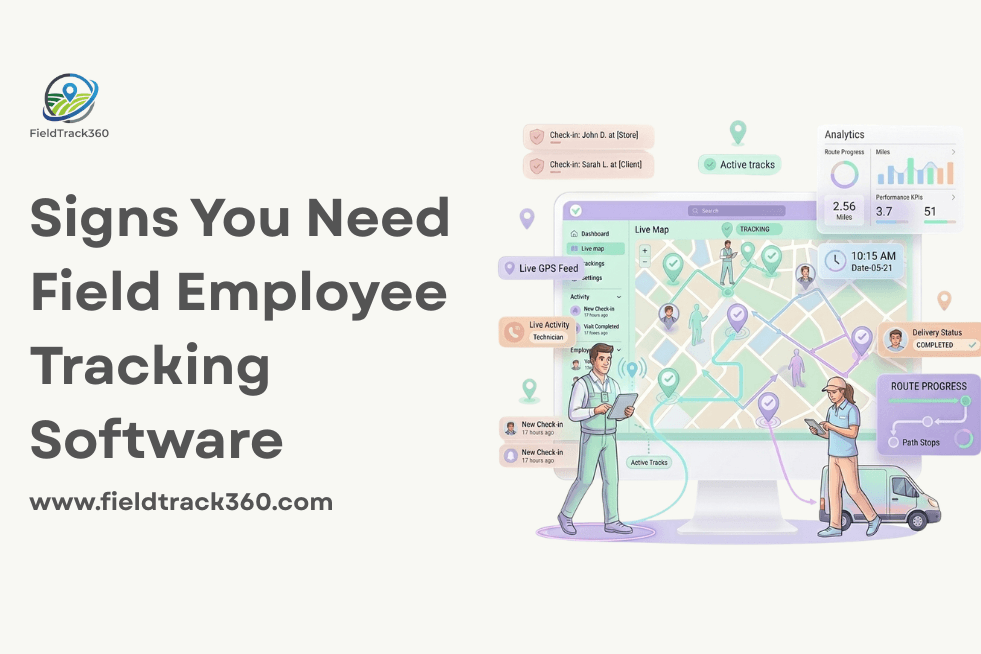
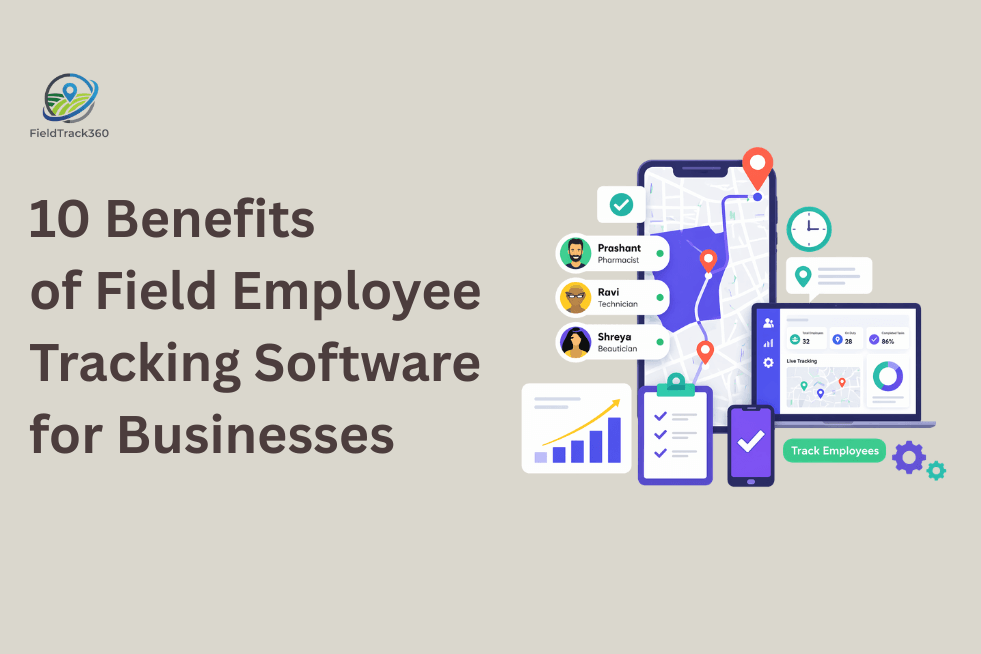
Field employee tracking software is a digital solution that helps businesses manage and monitor employees who work outside the office. It provides real-time visibility into where employees are, what tasks they are working on, and how efficiently those tasks are being completed.
Unlike traditional methods that depend on manual updates or verbal communication, this software collects and organizes data automatically. It connects managers and field employees through a single platform, making it easier to track daily activities without constant follow-ups.
In simple terms, it acts as a bridge between on-ground operations and management. While employees carry out their tasks in different locations, managers can view their progress, assign new tasks, and access reports from one centralized system.
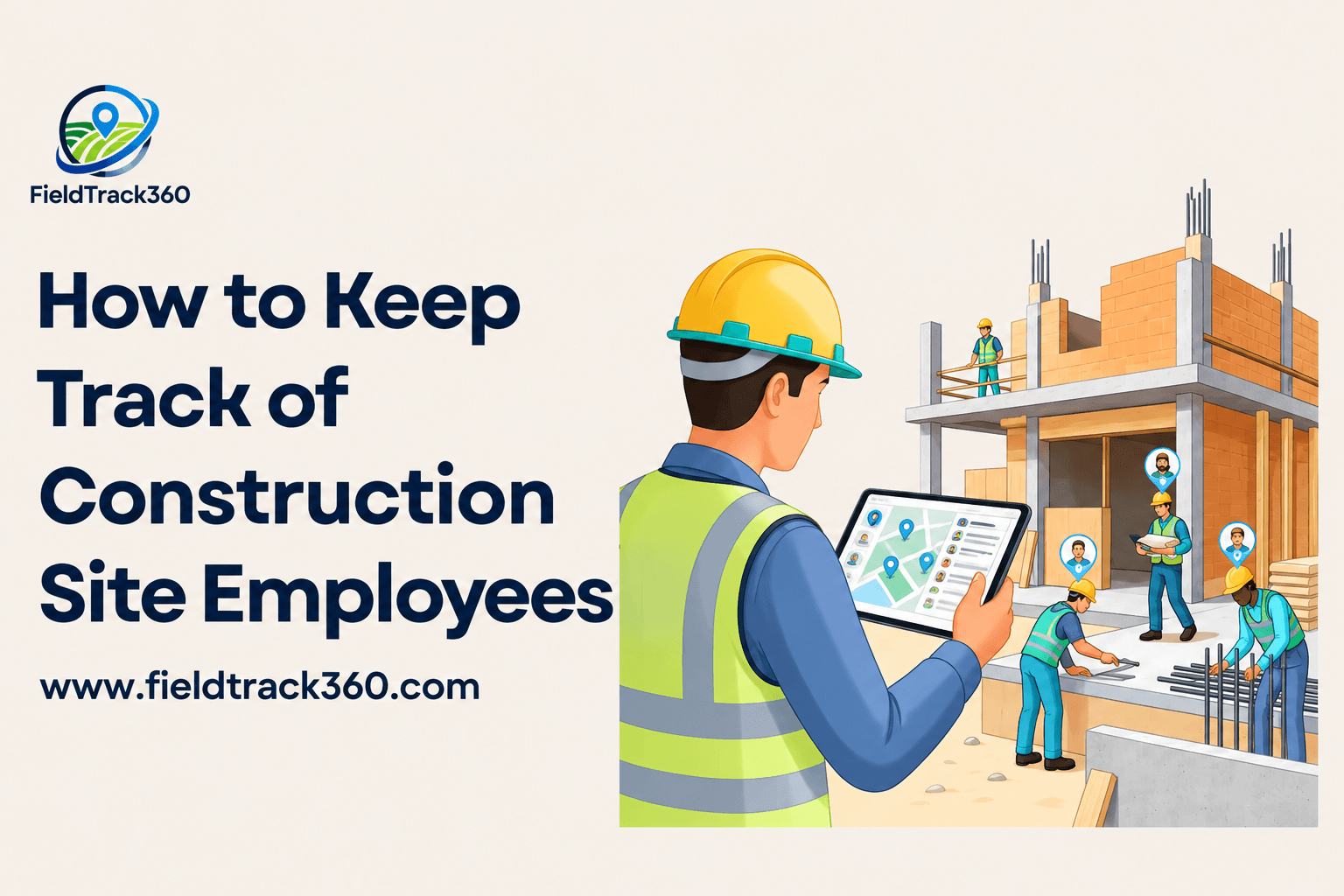
This type of software is commonly used by businesses that rely on field teams, such as sales representatives, delivery personnel, service technicians, and on-site support staff. Since these roles involve frequent movement and multiple assignments in a day, having a structured tracking system becomes essential.
Most field employee tracking solutions work through a mobile application. Employees log in at the start of their workday, after which the system can capture location data, track movement, and allow task updates. At the same time, managers get access to dashboards that provide a clear overview of team activity and performance.
Overall, field employee tracking software is not just about knowing where employees are. It is about improving visibility, creating accountability, and ensuring that work is completed in a more organized and efficient manner.
Why Businesses Need Field Employee Tracking Software
As businesses grow, managing field employees without a proper system becomes difficult. Manual processes may work for small teams, but they often lead to inefficiencies as operations expand.
Field employee tracking software helps solve these challenges by bringing structure, visibility, and control to daily operations. Here are the key reasons why businesses need it:
Better Visibility
When employees work across multiple locations, it is hard to know what is happening on the ground. With a tracking system, businesses can:
- View employee activities in real time
- Monitor task progress throughout the day
- Respond quickly to on-ground issues
Improved Productivity
Manual reporting does not always reflect actual work done. This makes it difficult to measure performance accurately. With proper tracking:
- Managers can see how time is being utilized
- Identify gaps in performance
- Help teams improve efficiency
Cost Control
Field operations often involve travel and resource usage. Without tracking, this can lead to unnecessary expenses. A tracking system helps:
- Optimize travel routes
- Reduce repeated or missed visits
- Lower overall operational costs
Better Accountability
When there is no structured system, tasks may be delayed or missed. With tracking software:
- Employees have clear responsibilities
- Task completion is properly recorded
- Reporting becomes more consistent
Data Driven Decision Making
Businesses need accurate data to grow and improve operations. Tracking software provides:
- Performance insights
- Activity reports
- Clear visibility into daily operations
In simple terms, field employee tracking software helps businesses move from uncertainty to clarity. It ensures that work is not just assigned, but also completed efficiently and on time.
How Field Employee Tracking Software Works
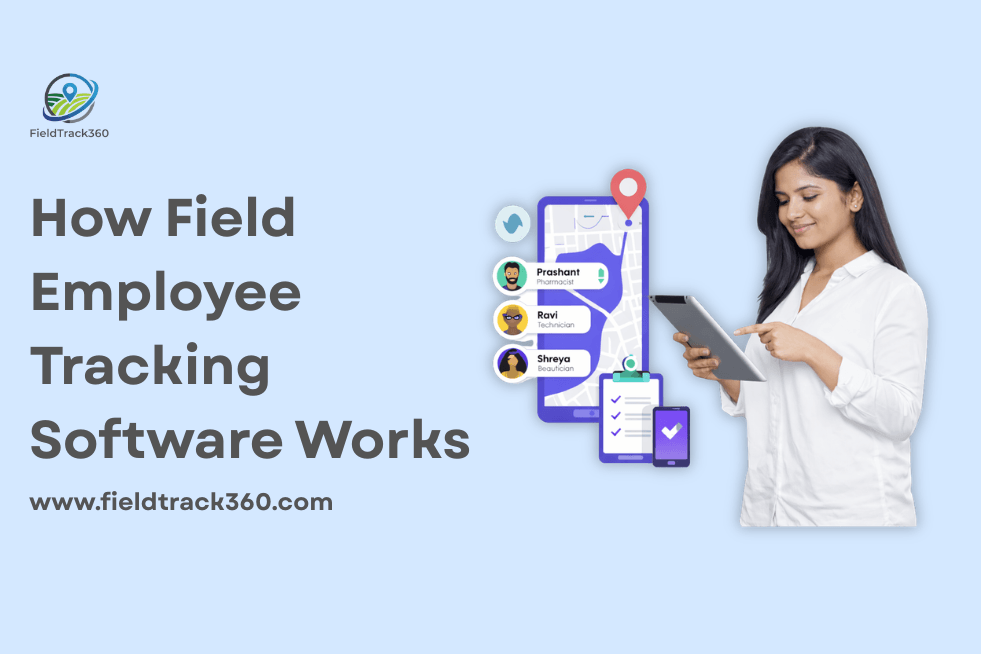
Field employee tracking software may sound complex, but in practice, it is designed to simplify daily operations for both managers and employees. It connects field activities with a central system, giving businesses real-time visibility and control. Here is how it typically works:
Employee Login and Work Start
The process begins when the employee logs into the mobile application at the start of the day. This action:
- Marks the beginning of work hours
- Acts as a digital attendance record
- Ensures that tracking starts only during working time
Real Time Location Tracking
Once logged in, the system uses GPS to capture the employee’s location during working hours. This allows managers to:
- See where employees are at any given time
- Understand team distribution across locations
- Ensure planned visits are being followed
Task Assignment and Updates
Managers can assign tasks directly through the system. These tasks are visible to employees on their mobile app. Employees can then:
- View assigned tasks
- Update status as they progress
- Mark tasks as completed
Route Tracking and Movement Insights
As employees move between locations, the system records their travel activity. This helps businesses:
- Analyze routes taken
- Measure distance covered
- Identify time spent between tasks
Over time, this data can be used to improve route planning and reduce travel inefficiencies.
Automated Reports and Insights
At the end of the day, the system generates detailed reports automatically. These reports usually include:
- Tasks completed
- Locations visited
- Time spent on activities
- Overall work summary
Managers no longer need to rely on manual updates, as all information is available in one place.
Bringing Everything Together
All these steps work together to create a connected system where field activities are tracked, recorded, and analyzed in real time. For businesses, this means better control and decision-making. For employees, it reduces the need for constant reporting and allows them to focus on their work.
Key Features of Field Employee Tracking Software
Field employee tracking software is not just about knowing where your employees are. Its real value comes from a combination of features that work together to simplify operations, improve visibility, and reduce manual effort.
Instead of looking at features in isolation, it helps to understand how each one contributes to solving real business problems.
Real Time Location Visibility
At the core of any tracking system is the ability to view employee location during working hours. This feature gives managers a live view of where their team members are and how they are moving throughout the day.
This is especially useful when teams are spread across multiple areas. Managers can quickly understand who is closest to a new task or whether planned visits are being followed. It removes the need for constant calls and creates a smoother flow of communication.
Location Based Attendance
For field teams, traditional attendance systems often do not work well. Employees are not reporting to a fixed office location, which makes it difficult to verify their presence.
Location based attendance solves this by allowing employees to check in only when they are at a specific location, such as a client site or assigned area. This ensures that attendance records are accurate and aligned with actual work activity.
Task Management Within the Same System
One of the biggest advantages of modern tracking software is that it combines tracking with task management. Instead of using separate tools, managers can assign tasks directly through the platform.
Employees receive these tasks on their mobile devices and can update their progress as they move through the day. This creates a structured workflow where every task is recorded, tracked, and completed with clarity.
Travel and Route Insights
Field work often involves significant travel, and without proper tracking, it is difficult to understand how efficiently that time is being used. Tracking software records movement patterns and routes taken by employees. Over time, this data helps businesses identify unnecessary travel, optimize routes, and reduce time spent between tasks. This not only improves productivity but also helps control operational costs.
Automated Reporting and Data Insights
Another important feature is the ability to generate reports automatically. Instead of relying on employees to submit updates at the end of the day, the system collects data continuously and organizes it into structured reports.
These reports give managers a clear picture of daily activities, including tasks completed, time spent, and locations visited. Having access to this data makes it easier to evaluate performance and plan future operations.
Bringing the Features Together
The real strength of field employee tracking software lies in how these features work together. Location tracking, attendance, task management, and reporting are all connected within a single system.
This integration reduces manual effort, improves accuracy, and creates a more organized way of managing field operations. As a result, businesses can focus less on tracking activities and more on improving outcomes.
How to Choose the Right Field Employee Tracking Software
With multiple options available in the market, choosing the right field employee tracking software can be challenging. While many tools offer similar features, the real difference lies in how well the software fits your business needs and how easily your team can use it in daily operations.
Instead of focusing only on features, it is important to evaluate the software from a practical and long-term perspective.
Understand Your Business Requirements
Before selecting any software, you need to be clear about what you want to achieve. For example, some businesses may need basic location tracking, while others may require a complete system that includes task management, attendance, and reporting.
Identifying your priorities helps you choose a solution that aligns with your operations rather than paying for unnecessary features.
Ease of Use and Adoption
No matter how powerful a system is, it will not deliver results if your team finds it difficult to use. The software should have a simple interface that employees can easily understand without extensive training. A user-friendly system ensures that:
- Employees adopt it quickly
- Daily usage becomes consistent
- Data collected is accurate and reliable
Real Time Tracking and Accuracy
The core purpose of the software is to provide accurate and real time information. It is important to choose a system that offers reliable tracking without delays or inconsistencies. Accurate data helps managers make better decisions and ensures that the entire system works effectively.
Integration of Features
Instead of using separate tools for attendance, task management, and reporting, it is better to choose a solution that brings everything together. An integrated system reduces manual work and creates a smoother workflow where all information is connected and easily accessible.
Scalability for Future Growth
As your business grows, your tracking needs will also increase. The software you choose should be able to support a larger team and more complex operations over time. A scalable solution ensures that you do not have to switch systems frequently as your requirements evolve.
Support and Reliability
Technical issues or confusion during usage can affect daily operations. Having access to reliable customer support ensures that problems are resolved quickly and the system continues to run smoothly.
Making the Right Choice
Choosing the right field employee tracking software is not just about selecting a tool. It is about finding a system that fits naturally into your workflow and helps your team perform better without adding complexity. When the software is easy to use, reliable, and aligned with your business needs, it becomes a valuable asset for managing and scaling field operations.
Final Thoughts
Managing field employees becomes challenging when there is limited visibility into daily activities. Manual methods often lead to delays, inaccurate reporting, and reduced productivity.
Field employee tracking software helps solve these issues by bringing location tracking, task management, and reporting into one system. This makes it easier for businesses to manage operations with better clarity and control.
As field teams grow, having a structured system becomes essential. The right solution not only improves day to day efficiency but also helps businesses make better decisions using real data.
Want to Improve Your Field Operations?
If you are looking for a better way to manage your field employees, FieldTrack360 can help you stay organised and improve productivity. Book a demo to see how it works or contact our team to get started.