Logistics companies often have employees working across multiple delivery hubs, warehouses, customer locations, and distribution areas. Managing these employees from a central office can be challenging, especially when managers need to track their locations, verify attendance, and monitor daily field activities.
Without proper visibility, businesses may struggle to confirm whether employees have reached their assigned locations, understand delays between visits, or review how field activities are progressing.
A structured employee monitoring process helps logistics companies maintain better workforce visibility, improve accountability, and coordinate operations across different delivery locations. Here are seven practical ways to monitor employees more effectively.
Key Takeaways
- Logistics companies need clear visibility into employees working across multiple delivery locations.
- GPS tracking helps managers check employee locations and review movement during working hours.
- Geofencing and digital attendance records help verify employee presence at assigned locations.
- Route history and visit records make it easier to review travel patterns and daily field activities.
- Regular activity reports help managers identify delays, workload gaps, and areas that need attention.
- Employee tracking should follow clear policies that respect privacy and define when location monitoring is permitted.
Effective Ways to Monitor Employees Across Delivery Locations
1. Use GPS Tracking to Monitor Employee Locations
Logistics managers often need to know where delivery employees are during working hours, particularly when they are assigned to different routes or service areas. Relying on phone calls and manual updates can make it difficult to maintain an accurate view of employee locations throughout the day.
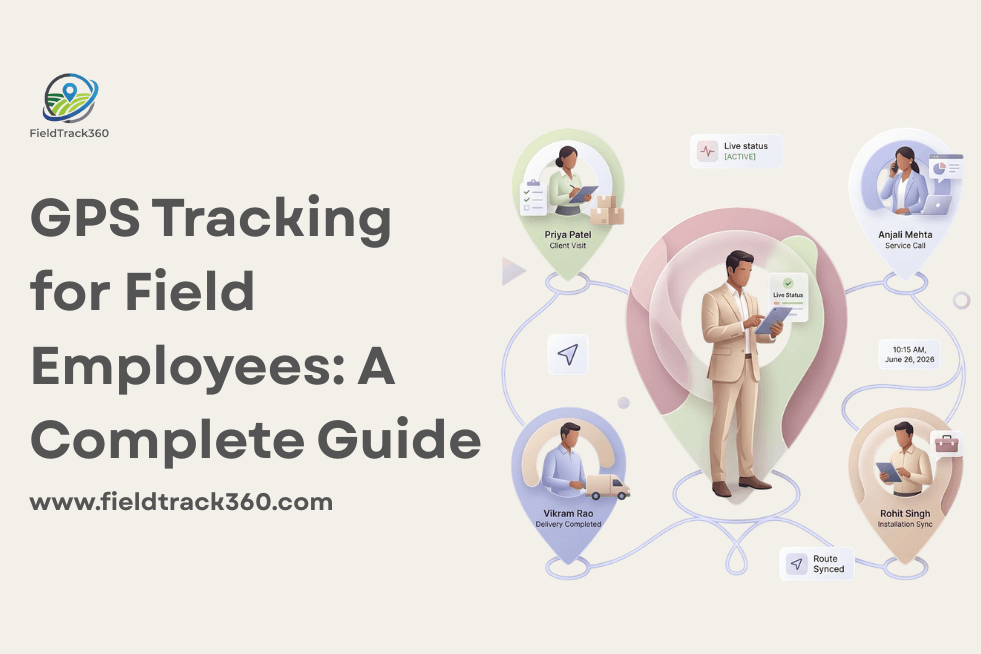
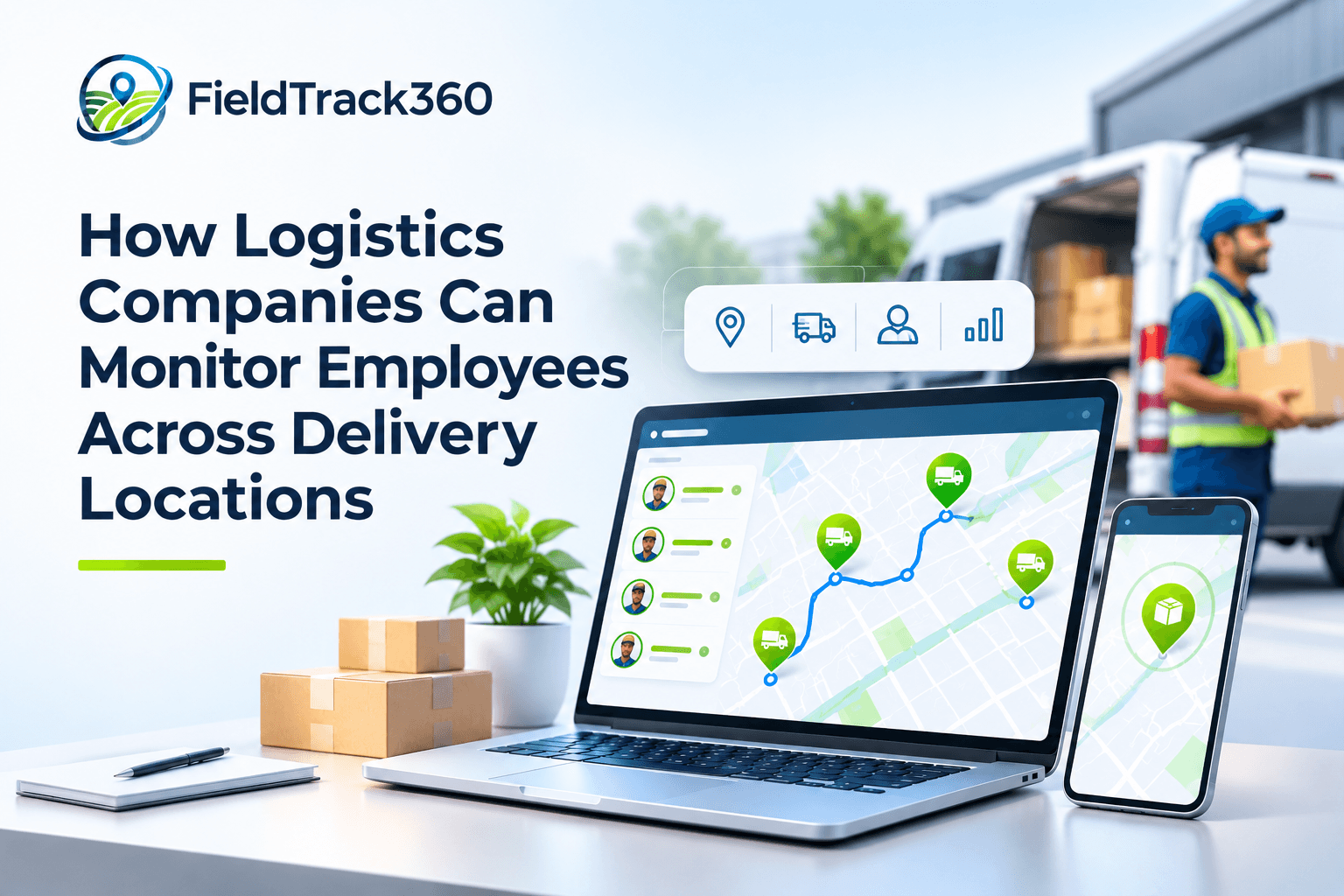
GPS tracking allows managers to view employee locations in real time and understand their movement between assigned locations. This helps them check field presence, coordinate nearby employees when needed, and identify unexpected delays.
An employee location tracking system can help logistics businesses maintain location records, review employee movements, and improve visibility across multiple delivery areas.
2. Verify Employee Attendance at Delivery Hubs and Work Locations
Logistics employees may begin their shifts at warehouses, distribution centres, or regional delivery hubs before moving to their assigned locations. Manually recording attendance across these locations can create errors and make verification difficult for managers.
Businesses can use GPS-based attendance systems and geofencing to record employee check-ins at designated locations. When an employee enters or exits a defined geographical area, the system can help capture their attendance based on the configured rules.
This gives managers more reliable attendance records and makes it easier to verify employee presence across multiple delivery hubs and work locations.
3. Track Employee Routes and Travel History
Delivery employees often travel between warehouses, distribution points, and customer locations throughout the day. Without proper records, managers may find it difficult to understand the routes employees have followed or identify unnecessary travel.
GPS-based route tracking helps businesses review employee movement and access historical route records. Managers can use this information to compare actual travel patterns with assigned routes, identify frequent detours, and understand where employees spend most of their working hours.
Reviewing route history regularly can help logistics companies identify opportunities to improve route planning and reduce avoidable travel across delivery areas.
4. Maintain Records of Delivery Visits and Field Activities
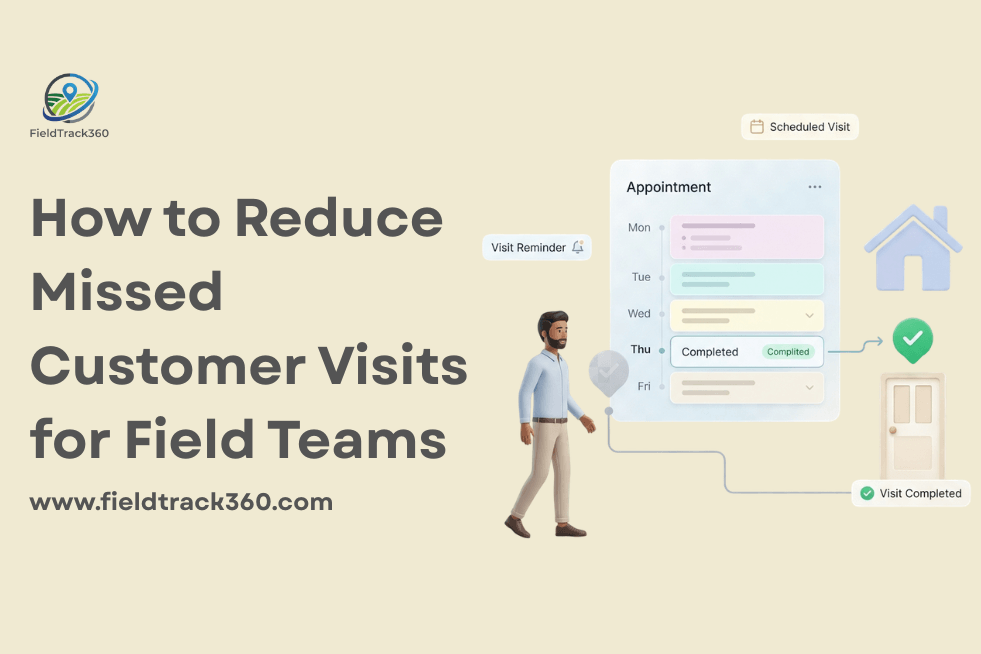
Delivery employees may visit several customer locations, retail outlets, or distribution points during a single shift. Without proper visit records, managers may struggle to confirm whether assigned locations were covered and which activities were completed.
Businesses should maintain records of employee check-ins, visit timings, completed deliveries, and any issues reported at customer locations. These records help managers review daily field activities and identify missed visits or locations that may require follow-up.
A consistent visit management process also makes it easier to understand delivery coverage and maintain accountability across different service areas.
5. Monitor Employee Movement Across Multiple Service Areas
Logistics companies often divide their operations into different regions to manage deliveries and allocate employees efficiently. However, when employees move between service areas or provide support to nearby teams, managers may lose track of workforce distribution.
Maintain an updated view of employee locations and regional assignments. This helps managers understand which areas have active workforce coverage, identify locations with limited staff availability, and coordinate employees when additional support is required.
Regularly reviewing employee distribution across service areas also helps logistics businesses identify workload imbalances and make better workforce allocation decisions.
6. Review Daily Reports and Employee Activity
Tracking employee locations provides useful information, but logistics managers also need to understand what employees accomplish during their working hours. Without regular activity updates, it can be difficult to identify pending tasks, delivery issues, and differences in employee performance.
Businesses should maintain daily records of completed deliveries, customer visits, assigned tasks, attendance, and reported issues. Managers can review these reports to understand employee activity, identify recurring delays, and follow up on incomplete work.
Consistent reporting gives logistics companies a clearer picture of daily workforce performance and helps managers make informed decisions about operational improvements.
7. Follow Responsible Employee Location Tracking Practices
Monitoring employee locations requires clear policies and responsible use of tracking data. Logistics companies should inform employees about when location tracking is active, why their location data is collected, and how the information will be used.
Access to location records should be limited to authorised managers, and businesses should avoid monitoring employees outside defined working hours unless there is a legitimate and clearly communicated requirement.
Establishing these practices helps build employee trust while allowing managers to maintain the location visibility needed to coordinate delivery operations.
How Employee Location Tracking Software Helps Logistics Companies
Managing employees across multiple delivery locations requires more than occasional phone calls and manual attendance records. Employee location tracking software gives logistics managers a centralised view of workforce locations, attendance, routes, visits, and daily activities.
With features such as real-time GPS tracking, geofencing attendance, route history, visit management, task updates, and field activity reports, managers can monitor employee movements and maintain more consistent operational records.
For example, managers can check employee locations during working hours, verify attendance at designated hubs, review route history, and monitor assigned task progress. These insights help businesses identify operational gaps and coordinate employees across different delivery areas.
FieldTrack360 provides these capabilities through its field workforce tracking platform, helping logistics businesses improve workforce visibility and maintain better control over field activities.
Explore FieldTrack360’s logistics and supply chain solutions to see how the platform supports employee tracking and field workforce management.
Conclusion
Monitoring employees across multiple delivery locations helps logistics companies maintain better visibility, verify field activities, and coordinate their workforce more effectively. From GPS tracking and attendance verification to route history and daily reporting, each practice plays an important role in managing employees working across different areas.
By adopting a structured monitoring process and using reliable employee tracking software, logistics businesses can improve workforce accountability, identify operational gaps, and maintain better control over daily delivery operations.
Take Control of Your Logistics Workforce
Track employees, monitor field activities, and improve workforce visibility with FieldTrack360. Start your 14-day free trial today.
Book a Free Demo