Missed customer visits can create gaps in customer coverage, delay follow ups, and reduce the productivity of field teams. When field employees have multiple customers to visit each day, even a few missed visits can affect sales opportunities and customer relationships.
Reducing missed customer visits starts with better planning and visibility. Field teams need realistic visit schedules, efficient routes, and a simple way to record completed or missed visits. Managers also need to know when planned customer visits are falling behind so they can take action during the day.
In this guide, we will cover practical ways to reduce missed customer visits for field teams, from improving visit planning and route management to tracking field activities and following up on incomplete visits.
7 Ways to Reduce Missed Customer Visits for Field Teams
Reducing missed customer visits requires more than simply assigning more customers to field employees. The visit plan needs to match the team’s capacity, travel time, customer priorities, and changes that can happen during the day.
Here are seven practical ways to improve customer visit completion.
1. Create a Realistic Customer Visit Schedule
A customer visit schedule should match what a field employee can realistically complete in a working day. Assigning too many visits without considering travel time, time spent with each customer, and other field activities can quickly lead to delays and missed visits.
Start by setting the number of visits based on the employee’s territory and daily workload. Give priority to time sensitive or important customers, and leave some room for unexpected delays instead of filling every available time slot.
A realistic schedule helps field employees stay on track and gives them a better chance of completing all their planned customer visits.
2. Assign Customer Visits Based on Location and Workload
The same customer visit can be easy for one field employee to complete and difficult for another, depending on where they are working and how many visits they already have. Assigning visits without considering these factors can create unnecessary travel and overloaded schedules.
When assigning customer visits, consider the employee’s current location, territory, existing workload, and the time required for each visit. Keeping nearby customers with the same field employee where practical can reduce travel and make the daily schedule easier to complete.
This approach also helps businesses make better use of their field workforce instead of simply distributing customer visits based on the number of employees available.
3. Plan Routes That Help Employees Complete More Visits
A well planned visit schedule can still fail if employees spend too much time travelling between customers. Long distances, unnecessary backtracking, and poorly ordered visits can delay the entire day’s schedule and leave later customers unvisited.
Arrange customer visits in a logical order based on their locations and expected travel time. Where possible, group nearby customers together and avoid routes that require employees to repeatedly travel across the same area.
Reviewing routes regularly can also help businesses identify areas where travel is making it difficult to maintain territory coverage and complete planned customer visits.
4. Monitor Field Activity in Real Time
A delay at one customer location can affect every visit that follows. If managers only find out about the delay after the working day is over, there is little they can do to adjust the remaining schedule.
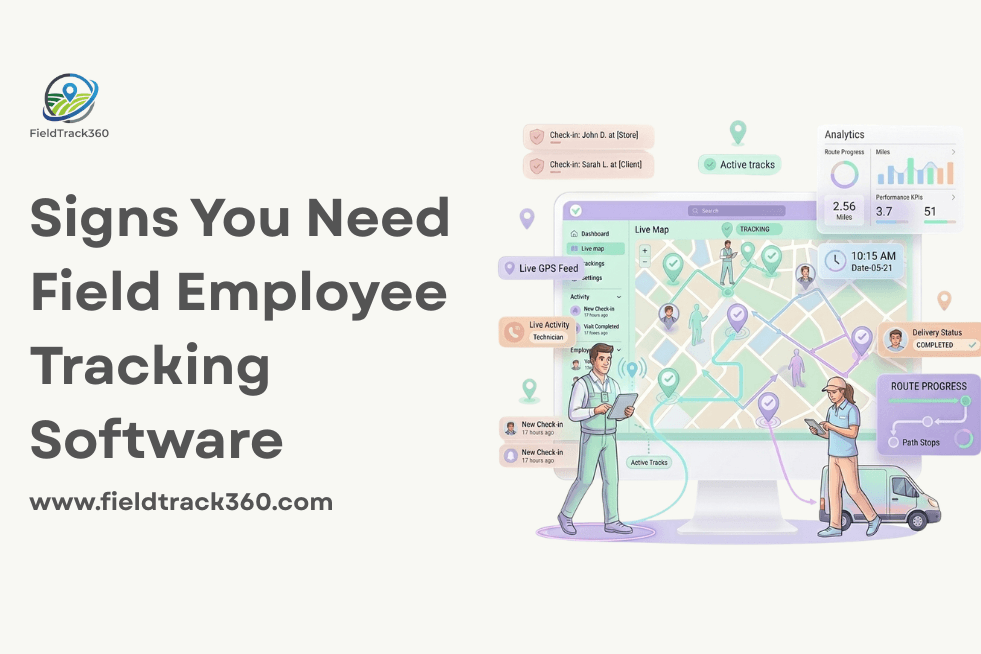
Real time field tracking gives managers visibility into where employees are during working hours. They can identify delays, check whether employees are progressing through their planned visits, and make changes when necessary.
This does not mean constantly monitoring employees. The purpose is to spot problems early enough to help the team stay on schedule and reduce the number of customer visits that are missed.
5. Verify That Customer Visits Actually Happened
Knowing an employee’s location does not always tell you whether a customer visit was completed. A field employee may reach the area but leave without meeting the customer, or a planned visit may be marked complete without enough information to verify it.
Use a simple check in and check out process for customer visits. Location based verification can also help confirm that the employee was at the expected customer location when the visit was recorded.
This gives managers a more reliable record of completed visits and makes it easier to identify visits that still need attention.
Also read: How to Verify Field Employee Visits Accurately
6. Make Missed Visits Easy to Reschedule
Not every missed customer visit can be prevented. A customer may be unavailable, a meeting may change, or an employee may face an unexpected delay. What matters is having a clear process for handling the visit afterward.
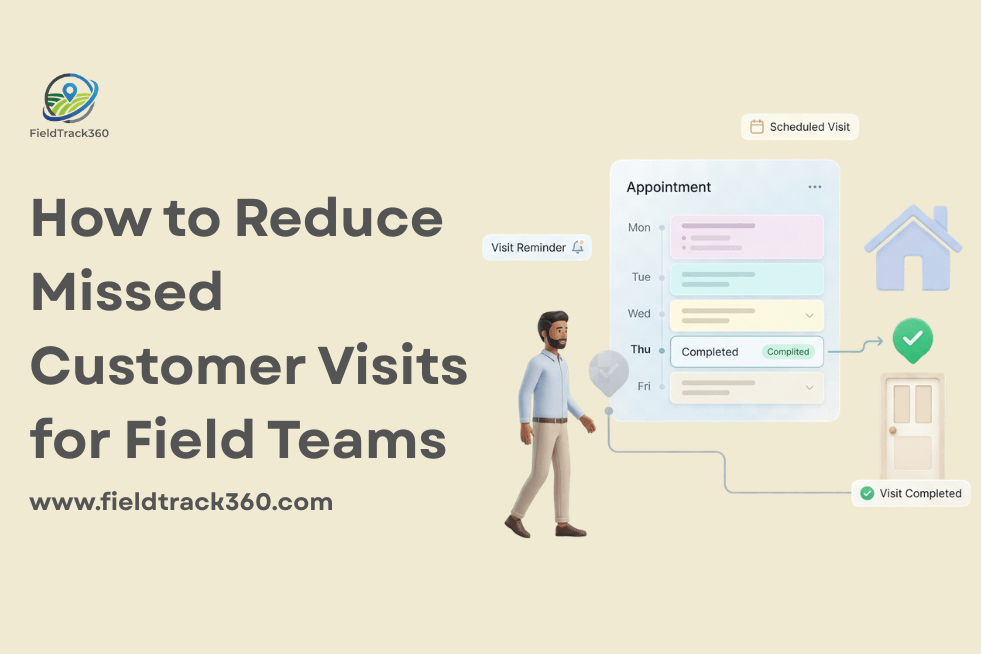
Record the reason a visit was missed and reschedule it with a new date or time. Keep the visit visible until it is completed so that it does not get lost among the next day’s activities.
A simple follow up process helps field teams recover missed visits and maintain regular customer coverage instead of leaving unfinished visits unresolved.
7. Review Visit Data to Find Recurring Gaps
A missed customer visit is easier to fix when you know why it happened. Instead of treating every missed visit as a separate issue, review visit records regularly to look for patterns.
For example, you may find that certain routes regularly cause delays, some employees have too many visits in a day, or particular customers are frequently unavailable. These patterns can help managers adjust schedules, routes, and visit assignments based on actual field activity reports.
Regularly reviewing customer visit reports also helps businesses measure how many planned visits are being completed and where improvements are needed.
How FieldTrack360 Helps Reduce Missed Customer Visits
Reducing missed customer visits becomes easier when visit planning, employee tracking, and activity records are managed in one place. FieldTrack360 helps businesses manage this process from assigning visits to checking whether they were completed.
With FieldTrack360, managers can assign customer visits and tasks to field employees, monitor their locations in real time, and review route history when needed. GPS based attendance, geo fencing, and visit check ins can also help verify field activity at customer locations.
Managers can also review field activity reports to see which visits were completed, which were missed, and where delays or gaps are occurring. This makes it easier to reschedule unfinished visits and improve future visit planning based on actual field data.
For businesses that manage sales representatives, service teams, delivery staff, or other field employees, having this visibility can make customer visit management more organised and reduce the chances of planned visits being missed.
Ready to Reduce Missed Customer Visits?
Give your field team better visibility into customer visits, employee locations, routes, and daily field activities with FieldTrack360.
Book a Free Demo