For businesses that rely on field employees, verifying whether assigned visits actually happened can be a major operational challenge. Since employees work across multiple locations throughout the day, managers often depend on calls, messages, or manual reports to confirm field activities.
However, these methods do not always provide accurate or timely visibility into on-ground operations.
Without a reliable verification process, businesses may struggle with incomplete reporting, missed visits, inaccurate updates, and limited accountability. As field operations grow, these issues can directly affect productivity, reporting accuracy, and overall operational control.
This is why accurate field visit verification has become increasingly important for field-based businesses.
By using structured tracking methods and location-based verification systems, businesses can improve visibility into field activities, maintain more reliable records, and manage operations more effectively.
In this article, we will explore how businesses can verify field employee visits accurately and improve the overall efficiency of field operations.
Why Accurate Field Visit Verification Matters
Field visits are a critical part of daily operations for many businesses, especially those managing sales teams, service staff, or on-site operations. When visits are not verified properly, businesses often face gaps in visibility and difficulty maintaining operational consistency.
Accurate field visit verification helps businesses confirm whether employees reached assigned locations, completed planned activities, and followed daily schedules as expected. This improves transparency across field operations and reduces dependency on assumptions or manual follow-ups.
It also plays an important role in improving reporting accuracy, strengthening accountability, and identifying operational inefficiencies more effectively.
As field teams grow larger and operations become more distributed, having a reliable system to verify field visits becomes essential for maintaining better operational control.
Common Challenges Businesses Face While Verifying Field Visits
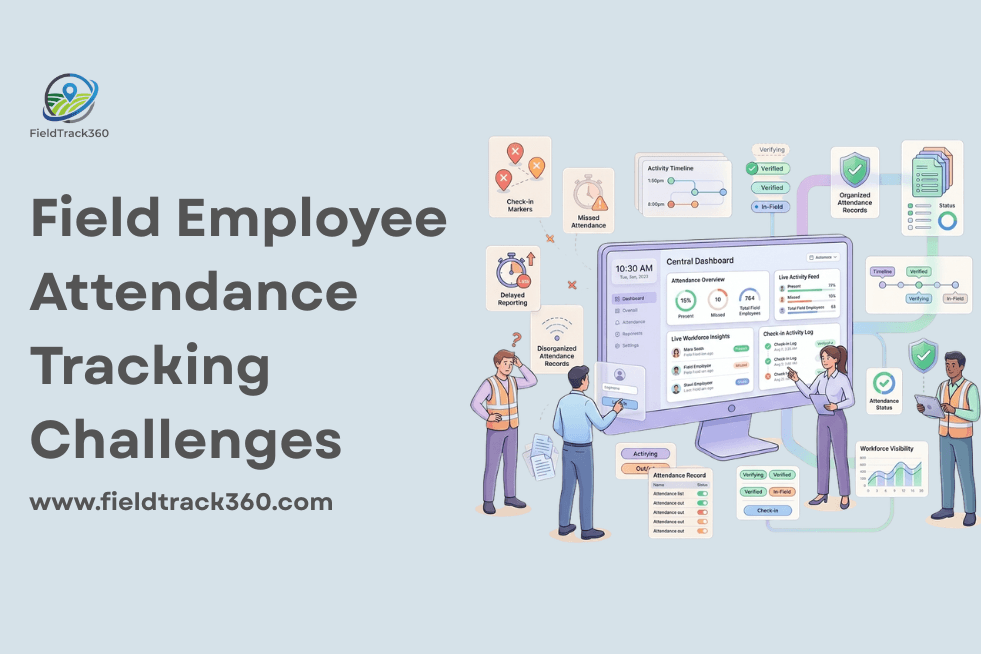
Verifying field employee visits accurately is not always straightforward, especially for businesses managing teams across multiple locations. Without structured tracking systems, businesses often face operational gaps that make visit verification more difficult and time-consuming.
Below are some of the most common challenges businesses experience while managing field visit verification.
1) Inconsistent Manual Reporting
Many businesses still rely on employees to share updates manually through calls, messages, or spreadsheets. This often leads to incomplete information, delayed reporting, and inconsistencies in field activity records.
2) Lack of Real-Time Visibility
Managers may not always have immediate visibility into where field employees are or whether assigned visits have been completed. Delayed updates can make it harder to monitor ongoing operations effectively.
3) Difficulty Verifying Actual Location Visits
Without location-based verification, businesses may struggle to confirm whether employees actually reached assigned client sites or work locations.
4) Delayed Updates From Field Teams
Field employees often submit visit updates after activities are completed, which can reduce reporting accuracy and slow down operational decision-making.
5) Fake or Incomplete Visit Claims
In some cases, businesses may face inaccurate visit reporting due to unverified updates or incomplete field activity records, making accountability more difficult to maintain.
How to Verify Field Employee Visits Accurately
Accurate field visit verification requires more than manual updates or occasional check-ins. Businesses need structured processes that improve visibility, reduce reporting gaps, and help confirm field activities more reliably.
Below are some practical ways businesses can verify field employee visits more accurately and improve operational control.
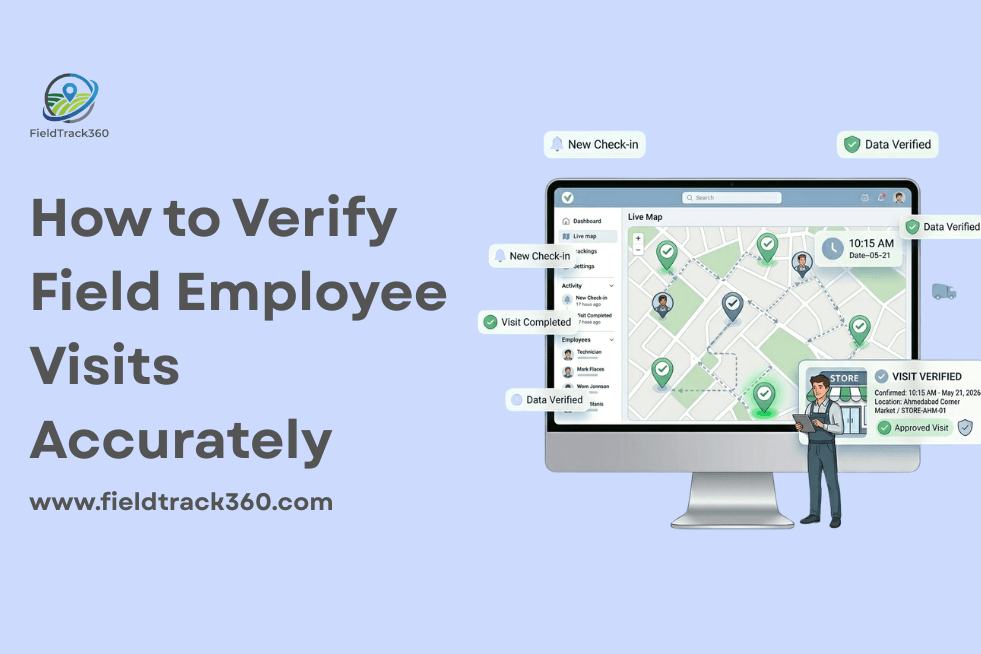
1) Use GPS-Based Location Tracking
GPS-based tracking helps businesses monitor employee movement and verify whether field employees reached assigned locations. This provides better visibility into daily field activities and reduces dependency on manual confirmations.
2) Implement Geo-Fencing Around Assigned Locations
Geo-fencing allows businesses to create virtual boundaries around client sites, retail outlets, or work locations. When employees enter these predefined areas, the system can automatically record location-based activity updates and visit confirmations.
3) Use Real-Time Visit Updates
Real-time activity updates help managers stay informed about ongoing field operations without waiting for end-of-day reports. This improves operational visibility and allows businesses to respond more quickly when needed.
4) Standardize Field Visit Reporting
Using a structured reporting process helps maintain consistency across field operations. Standardized visit reporting reduces confusion and makes field activity records easier to track and verify.
5) Track Time Spent at Visit Locations
Monitoring the duration of visits helps businesses gain better insight into field activities and improve the accuracy of visit verification. It also helps identify unusual reporting patterns or incomplete visits more effectively.
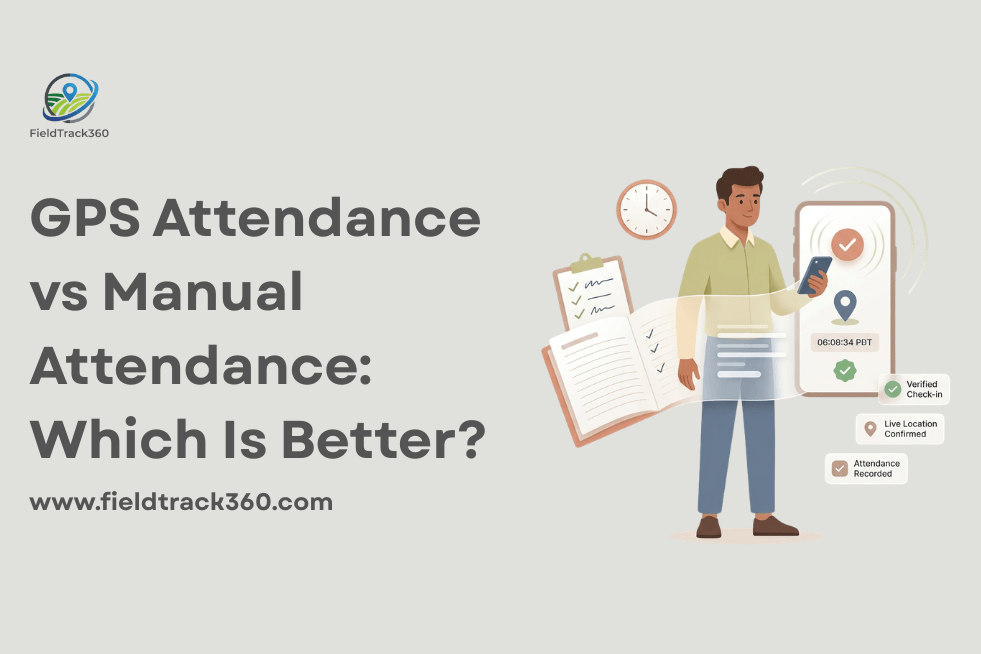
6) Use Location-Verified Attendance Systems
Location-based attendance systems help businesses verify employee check-ins based on predefined work areas, improving attendance accuracy and reducing manual verification efforts.
7) Centralize Field Activity Monitoring
Managing field updates through a centralized system makes it easier to track visits, monitor employee activities, and maintain operational visibility across larger teams.
8) Maintain Clear Visit Records and History
Keeping organized visit records helps businesses review field activities, verify completed visits, and maintain more accurate operational documentation over time.
Best Practices for Improving Field Visit Accuracy
Accurate field visit verification is not only about tracking employee locations. Businesses also need consistent operational processes that help maintain reliable reporting and better visibility across field activities.
Here are some best practices businesses can follow to improve field visit accuracy.
Define Clear Visit Expectations
Field employees should clearly understand reporting requirements, assigned locations, and expected visit procedures. This helps reduce confusion and improves consistency in field operations.
Reduce Dependency on Manual Updates
Relying entirely on calls or self-reported updates can create reporting gaps. Using structured tracking systems helps businesses maintain more accurate field activity records.
Use Location-Based Verification
Combining GPS tracking and geo-fencing helps businesses verify field visits more reliably and improve operational transparency.
Maintain Consistent Reporting Processes
Standardized reporting formats make it easier to review field activities and reduce inconsistencies across teams.
Monitor Field Activities Regularly
Regular monitoring helps businesses identify reporting gaps, operational inefficiencies, and unusual activity patterns more effectively.
How FieldTrack360 Helps Businesses Verify Field Visits More Accurately
Verifying field visits becomes much easier when businesses have access to real-time location visibility and structured activity tracking. Instead of depending heavily on manual updates, businesses can use centralized systems to maintain more accurate field records and improve operational transparency.
FieldTrack360 helps businesses verify field employee visits more accurately through features such as GPS tracking, geo-fencing, location-based attendance, and real-time activity monitoring.
By combining location verification with structured reporting, businesses can gain better visibility into field operations, reduce reporting discrepancies, and improve accountability across teams.
This helps managers track field activities more efficiently while maintaining clearer operational control as teams and field operations continue to grow.
Final Thoughts
Accurately verifying field employee visits is essential for businesses that rely on field operations to manage sales, service, distribution, or client activities. Without proper verification systems, businesses often face reporting gaps, limited visibility, and operational inefficiencies.
By using structured tracking methods such as GPS tracking, geo-fencing, and location-based verification, businesses can improve transparency, strengthen accountability, and maintain more reliable field activity records.
As field teams grow and operations become more distributed, having an accurate field visit verification process helps businesses manage daily operations more effectively and make better operational decisions.
Looking to Improve Field Visit Verification?
If your business wants better visibility into field operations and more accurate field employee tracking, you can connect with our team to explore how FieldTrack360 can help.